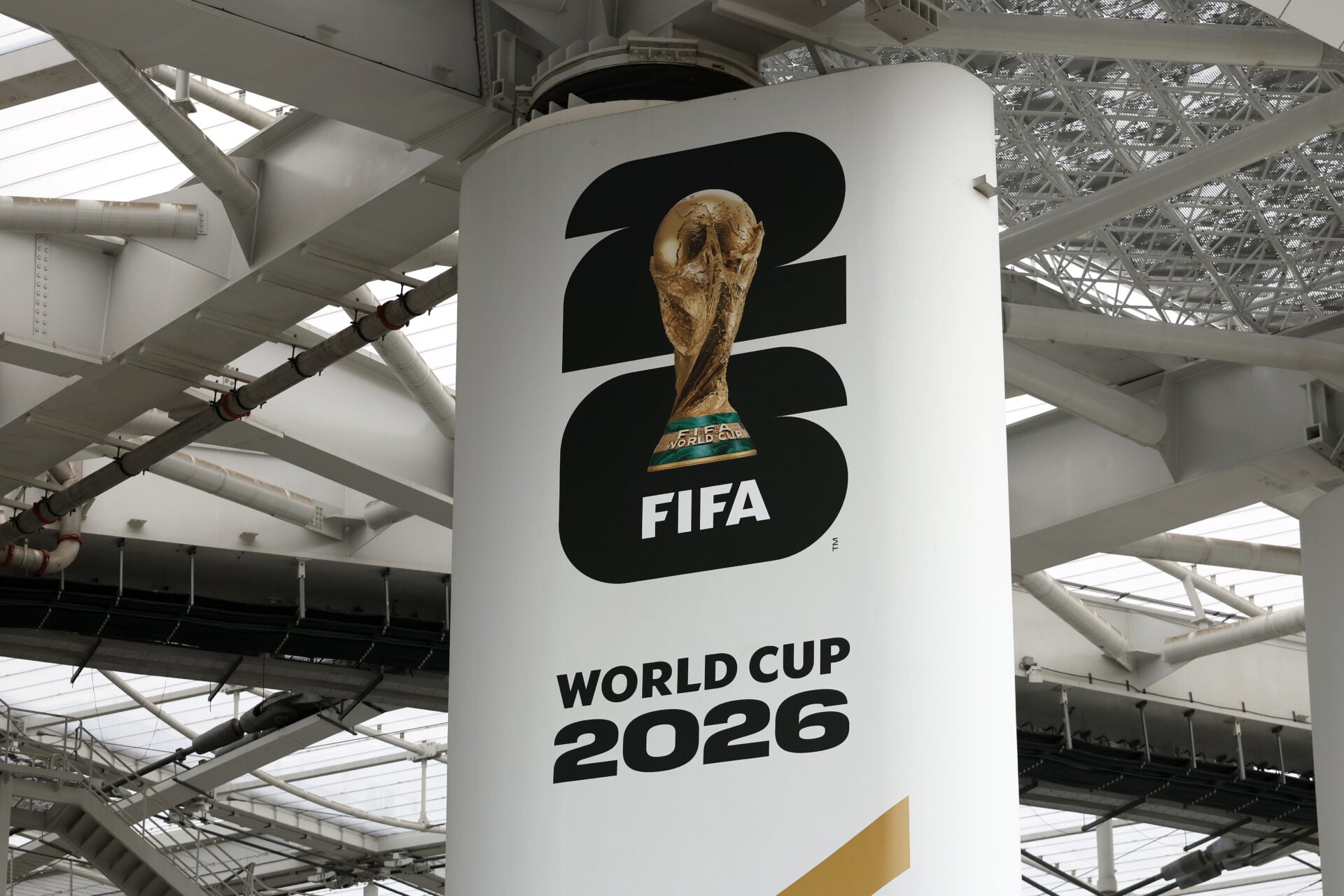

FIFA has released a World Cup 2026 Power Rankings page ahead of the tournament in Canada, Mexico and the United States, giving supporters another way to assess the teams before the action begins.
The concept is straightforward. A power ranking is a snapshot of how teams are viewed at a particular moment in time.
It is not the same as the official world ranking. It is not a prediction table, a draw, or a guarantee of how the World Cup will unfold.
That distinction is important, especially with the 2026 tournament set to be the largest edition ever. FIFA has approved an expanded 48-team format, which means more teams, more comparisons, and more uncertainty before the first match.
What are the FIFA World Cup 2026 power rankings?

The FIFA World Cup 2026 Power Rankings serve as a guide for the tournament. They provide supporters with a quick way to compare teams before the competition, based on how strong those sides appear in the build-up.
This kind of ranking helps make sense of a large field. It highlights the teams viewed as leading contenders, those seen as dangerous outsiders, and the sides with more to prove before the matches begin.
But it is important not to treat them as results. Football is unpredictable. Form can shift, injuries can have a major impact, draws can change the path to the final, and knockout games are often decided by fine margins.
That is why power rankings are best used for context, not certainty. They offer a view of the tournament landscape, but they cannot determine what happens on the pitch.
How are power rankings different from the FIFA world rankings?
The main difference is that the FIFA/Coca-Cola Men’s World Ranking is the official ranking system for national teams.
It is separate from World Cup power rankings and covers the wider international game, not just one tournament.
Power rankings are more focused. They are designed to reflect the outlook for a single competition, taking account of the specific context around that event.
The two can align, but they are not interchangeable. A team might be high in the official rankings but still have questions around form, fitness, squad balance, or tournament route.
The opposite can also happen. A lower-ranked side could arrive with momentum, a clear tactical plan, or a favourable draw.
For supporters, the safest way to view the Power Rankings is as a reflection of current perception. They show how teams are being assessed before the tournament, not where they are guaranteed to finish.
That makes them useful, as long as they are read in the right way.
With a bigger field and new challenges, the 2026 World Cup will carry more variables than previous editions. Power rankings help frame the conversation, but the real answers will come on the pitch.
Receive exclusive football transfer news and updates twice a week to your mailbox