
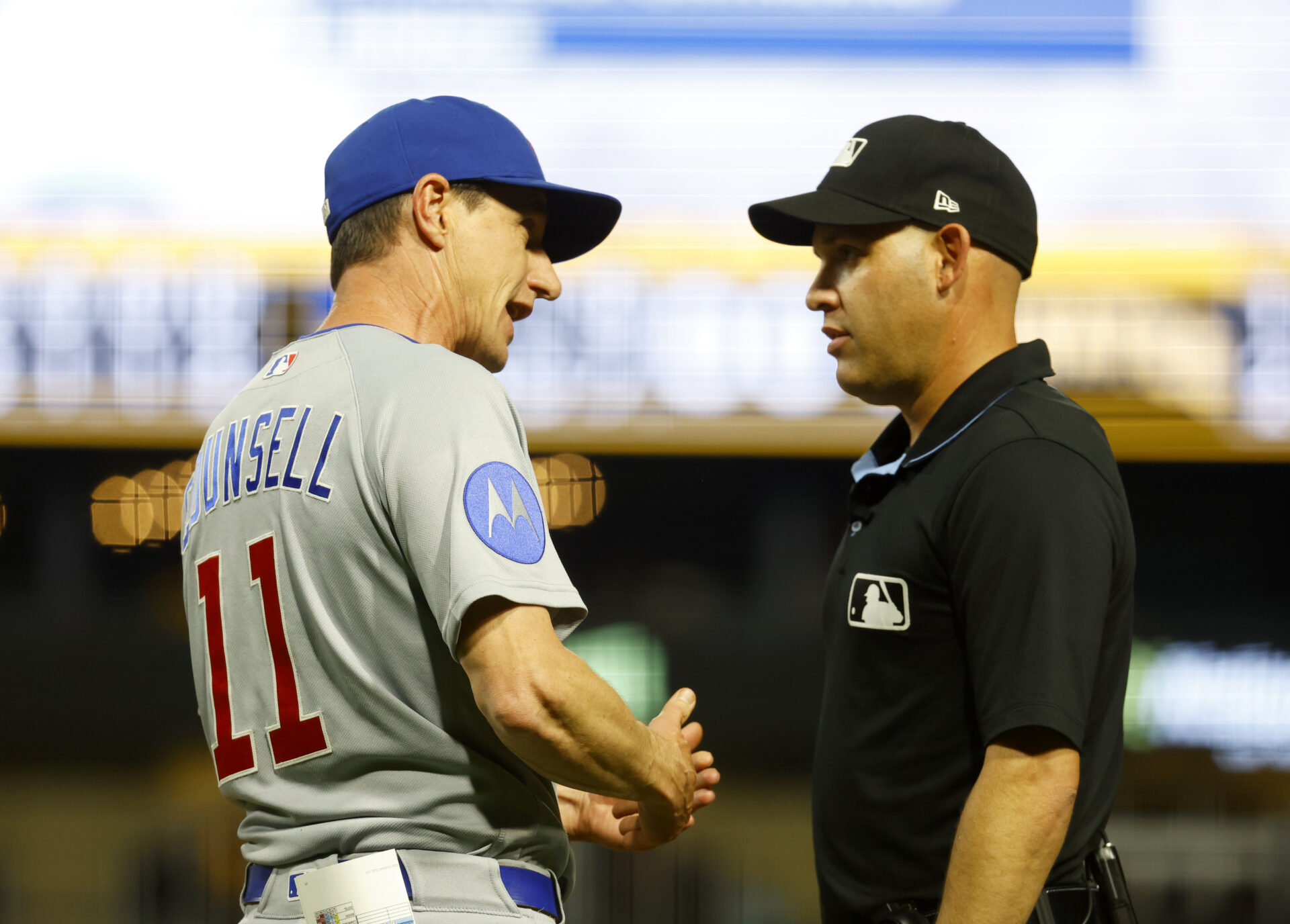

Two weeks ago, the Cubs sat on top of the MLB.com power rankings. Now they look like a team trying to survive its own collapse. Chicago’s 12-1 loss to the Pirates on May 26 was a 10th straight defeat, and the disorganization is starting to look as concerning as the losing itself.
David Kaplan’s postgame reaction was harsh, and it tracked with what the game showed. The Cubs are making the kind of mistakes that make a bad stretch feel structural rather than just getting outpitched.
The fundamentals are cracking
Jordan Wicks getting hit hard was one problem, and Chicago knew it was asking a lot of a pitcher thrown into the rotation because of injuries. Wicks allowed eight earned runs in 4.1 innings, and Pittsburgh buried the game with a five-run first.
The uglier part came around the pitching. Pete Crow-Armstrong sailed a throw over the cutoff man trying to stop Konnor Griffin from advancing, turning one mistake into extra bases. Ian Happ then got thrown out trying to tag from second while the Cubs already trailed 5-1. Those were the plays Kaplan zeroed in on, the clean details disappearing in the middle of a losing streak.
The offense has stopped covering for anything
The Cubs are averaging roughly 2.7 runs per game during the skid, and the pressure has spread through the roster. Chicago went 1-for-12 with runners in scoring position in the blowout, extending a stretch of innings ending with empty at-bats.
Chicago entered May explosive enough to survive imperfect pitching nights. Now every early deficit looks fatal because the offense is struggling to build sustained innings at all. Nico Hoerner and Ian Happ both pointed toward cleaner execution and better situational baseball afterward, while Craig Counsell admitted the team has to produce more consistently.
The rotation injuries leave almost no margin
Chicago is navigating the slide with a heavily damaged pitching staff. Edward Cabrera is on the injured list, Matthew Boyd is still working back, Justin Steele remains sidelined, and Cade Horton is out for the season. That is how Wicks ended up making such an important start in Pittsburgh, with the club pulling innings from wherever it can.
Injuries can thin a roster. They do not usually produce the loose defensive baseball the Cubs played Tuesday night, which is the part that runs deeper than the IL.
Counsell is now part of the conversation
Kaplan also went after Counsell’s dugout demeanor, describing the manager as looking like “a wax figure” as the season slides. The criticism has spread beyond one postgame rant.
Counsell’s calm style works best when the roster underneath him looks steady. Right now the Cubs look frantic on the field while their manager projects patience publicly. Some fans read that as stability, others as a team waiting too long for urgency. The debate sharpens with the standings tightening this fast, Chicago now 29-26 and near the bottom of the NL Central after looking like one of baseball’s safest early contenders.
The schedule is about to make this bigger
Chicago still has to finish the Pittsburgh series, likely deal with Paul Skenes, then head into a road set against St. Louis. The Cubs are losing structure at the same time their margin for error has vanished, and once a team looks shaky in the little things, every inning starts feeling heavier than the standings alone explain.
Read More: Why Matt Shaw’s name keeps coming up in Chicago Cubs trade talk
Receive exclusive football transfer news and updates twice a week to your mailbox