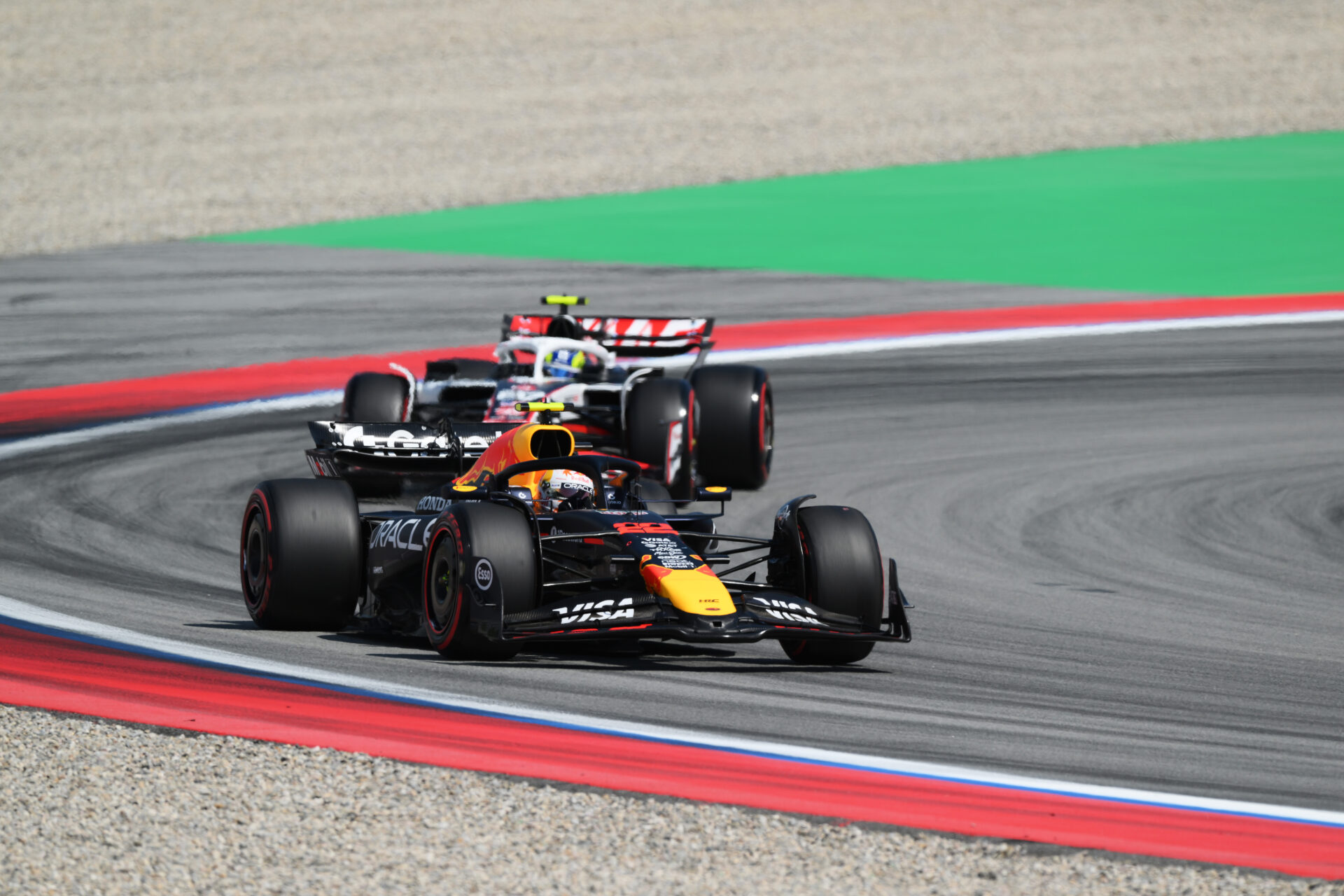

Formula 1 returns to the Marina Bay Street Circuit this weekend for the Singapore Grand Prix, and the FIA has officially labelled the race a ‘heat hazard’.
This marks the first time such a ruling has been made in F1 history, with temperatures expected to climb above 31°C.
To help manage the challenging conditions, drivers will be allowed to use cooling vests during Sunday’s race. The decision follows new regulations introduced in November 2024, which were prompted by issues that came to light during the 2023 Qatar Grand Prix.
During that event at Lusail International Circuit, several drivers struggled with heat-related problems. Lance Stroll spoke about losing consciousness in his car, while Esteban Ocon had admitted to vomiting in his helmet due to extreme temperatures.
The Singapore Grand Prix has long been considered one of F1’s toughest races physically, mainly because of its punishing mix of heat and humidity.
How the 2008 Singapore Grand Prix Brought Night Racing to Formula 1
The first night race in Formula 1 history was held at the Marina Bay Street Circuit in Singapore back in 2008. It wasn’t the only event of its kind for long, and there are now six races on the calendar that take place after dark, including stops in Bahrain, Abu Dhabi, and Las Vegas.
But that first race came with plenty of drama. It later emerged that Renault had instructed Nelson Piquet Jr. to deliberately crash his car to boost Fernando Alonso’s chances of victory.
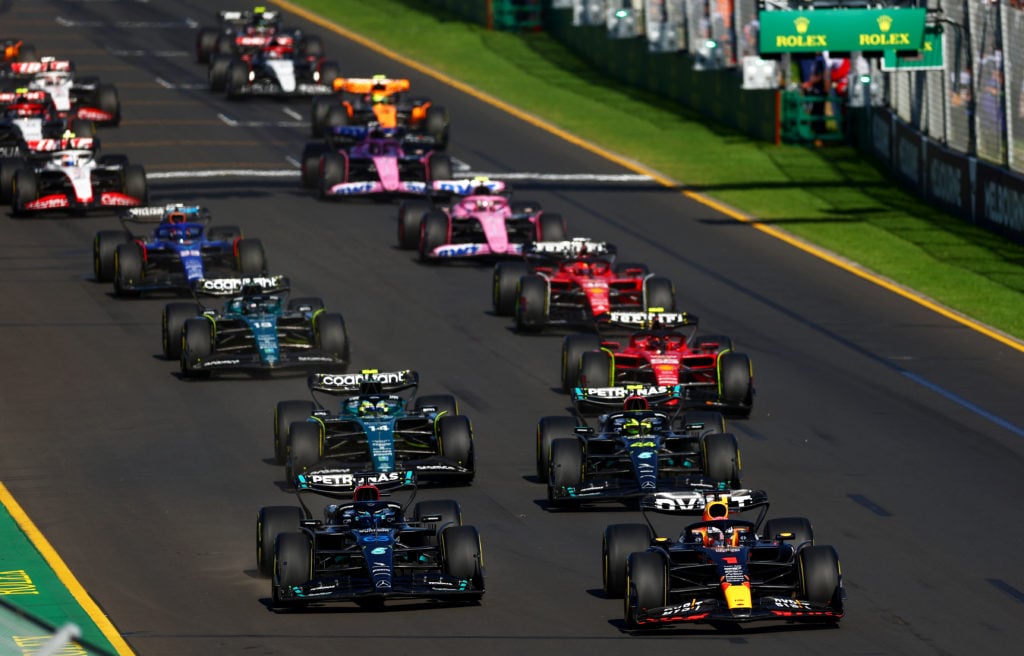
The fallout from Crashgate was huge. Felipe Massa, who started on pole, finished outside the points and ended up losing the title by a single point to Lewis Hamilton.
Singapore has seen its share of memorable moments since then. One notable incident came in 2017 when Max Verstappen collided with both Ferraris on the opening lap.
Spectators have come to expect interruptions around Marina Bay. Every race featured at least one safety car appearance until last year broke that streak.
The track is so prone to safety cars that Bernd Maylander has racked up more laps led there than anyone except Lewis Hamilton and Sebastian Vettel.
How the Marina Bay Street Circuit has evolved over time
The Marina Bay Street Circuit, which measures 4.928 km (3.06 miles), was shortened from its original length of 5.063 km (3.14 miles), with the number of corners also reduced from 23 to 19.
This change led to an extra lap being added to the Singapore Grand Prix, as lap times dropped by around 10 seconds.
Four 90-degree corners were removed in a redesign aimed at reducing tyre overheating issues that drivers had previously faced towards the end of each lap.
The circuit is also known for its rough surface, which poses challenges for drivers and their cars, especially with the current generation of vehicles running so close to the ground.
| Record | Record holder |
| Fastest track record | 1:29.525 – Lando Norris (2024) |
| Race lap record | 1:34.486 – Daniel Ricciardo (2024) |
| Most pole positions | x4 Sebastian Vettel (2011, 2013, 2015 & 2017) and Lewis Hamilton (2009, 2012, 2014 & 2018) |
| Most wins (Driver) | X5 Sebastian Vettel (2011, 2012, 2013, 2015, 2019) |
| Most wins (Constructor) | x4 – Red Bull, Mercedes and Ferrari |
For this year’s race, the pit lane speed limit has been increased from 60km/h to 80km/h, cutting around six seconds off the total pit stop time.
Singapore’s pit lane used to be one of the slowest on the calendar, taking around 25 seconds to get through and shared a lower speed limit with Monaco before this change was made.
What F1 drivers are saying ahead of the Singapore Grand Prix 2025
Max Verstappen: “The last two races have been great for the Team; we have made really strong progress, found a positive set up with the car and are heading in the right direction.
“Both were low downforce tracks that we performed well at and the Singapore circuit is quite different, so will be more of a test. It is quite a physically demanding track for all drivers and in this race it is about really getting comfortable with the uncomfortable.
“It is a cool street circuit to drive but, of course, I have never won there so you could say there is unfinished business. We need a strong Team performance so looking forward to what the week brings.”
Oscar Piastri: “I’m very keen to get back in the cockpit. On paper and with the temperatures involved in Singapore, our car has been proven to be comfortable in the past and with that in mind, I’m looking forward to a really positive weekend.
“Singapore is the closest race to Australia in terms of distance, so we’ve always seen a great Australian contingent there cheering on their drivers at one of the best night races of the season. It’s great having that additional support.”
Isack Hadjar: “It’s my first time in Singapore and I’ve always dreamt of driving around here. I feel very good and I know the team has been working really hard for us to maintain the level of performance we’ve had in recent races, so we’ll definitely try to achieve another great result.
READ MORE: Lando Norris names F1’s ‘best ever’ driver, and it’s not his countryman Lewis Hamilton
“It’s one of those tracks where anything can happen; Qualifying will be key, and if we get into the right window, I think we can aim for another Q3 and good points. I’m really looking forward to getting back behind the wheel and driving under the night lights.”
The Singapore Grand Prix is physically demanding due to high humidity levels which make it particularly tough during races .
Receive exclusive football transfer news and updates twice a week to your mailbox