
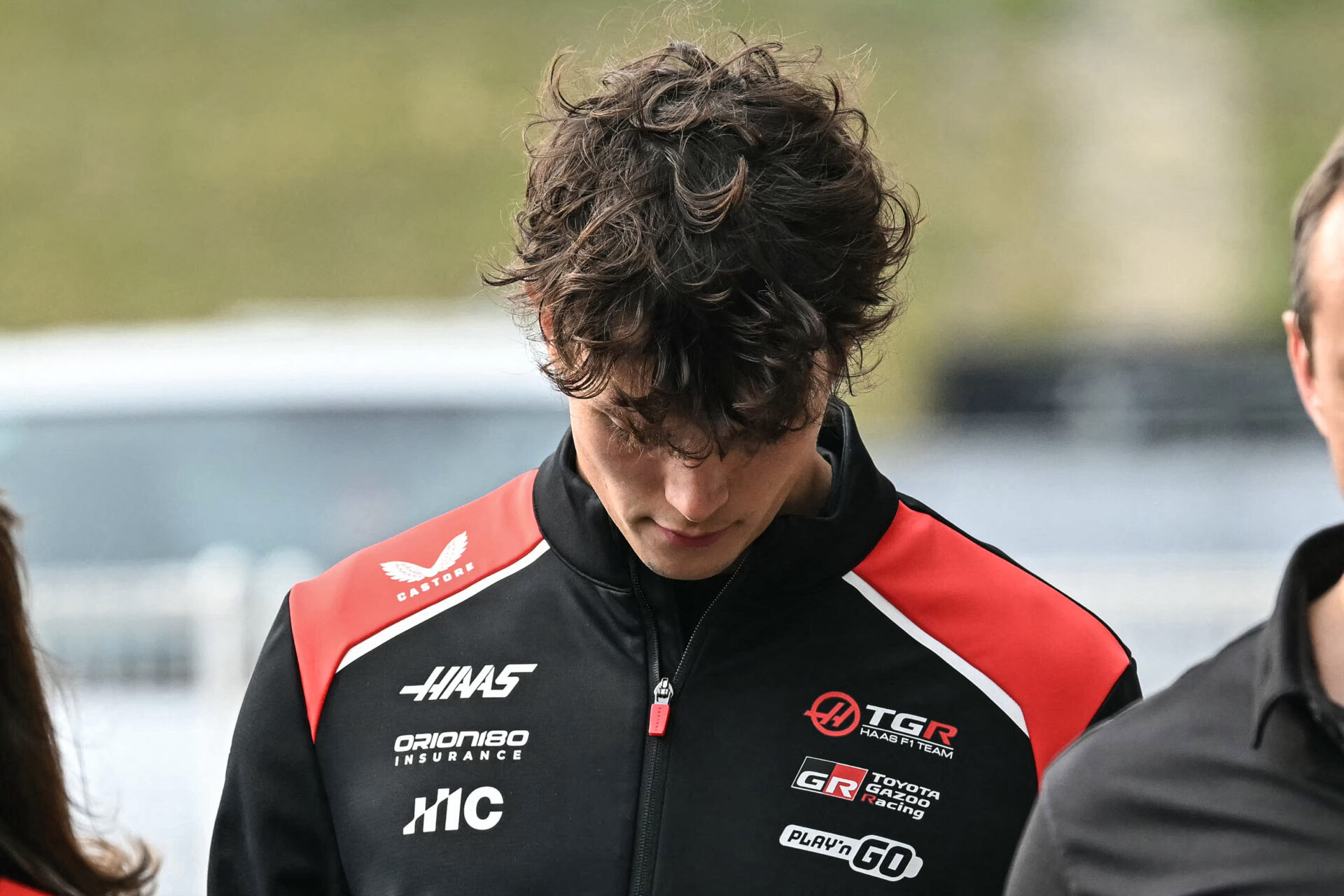

The FIA has addressed growing concerns around the 2026 Formula 1 regulations after Oliver Bearman’s violent crash at the Japanese Grand Prix exposed a major risk within the new system.
The incident at Suzuka was not just a racing accident; it became a case study in how the 2026 rules are affecting on-track safety.
That is why the governing body was forced to respond quickly.
FIA responds after Oliver Bearman’s high-speed Suzuka crash raises alarm
The FIA issued a statement following the incident during the Japanese Grand Prix.
“Since their introduction, the 2026 regulations have been the subject of ongoing discussions between the FIA, Teams, Power Unit Manufacturers, Drivers, and FOM. By design, these regulations include a number of adjustable parameters, particularly in relation to energy management, which allow for optimisation based on real-world data,” the statement read.
“It has been the consistent position of all stakeholders that a structured review would take place after the opening phase of the season, to allow for sufficient data to be gathered and analysed.
“A number of meetings are therefore scheduled in April to assess the operation of the new regulations and to determine whether any refinements are required,” the FIA added.
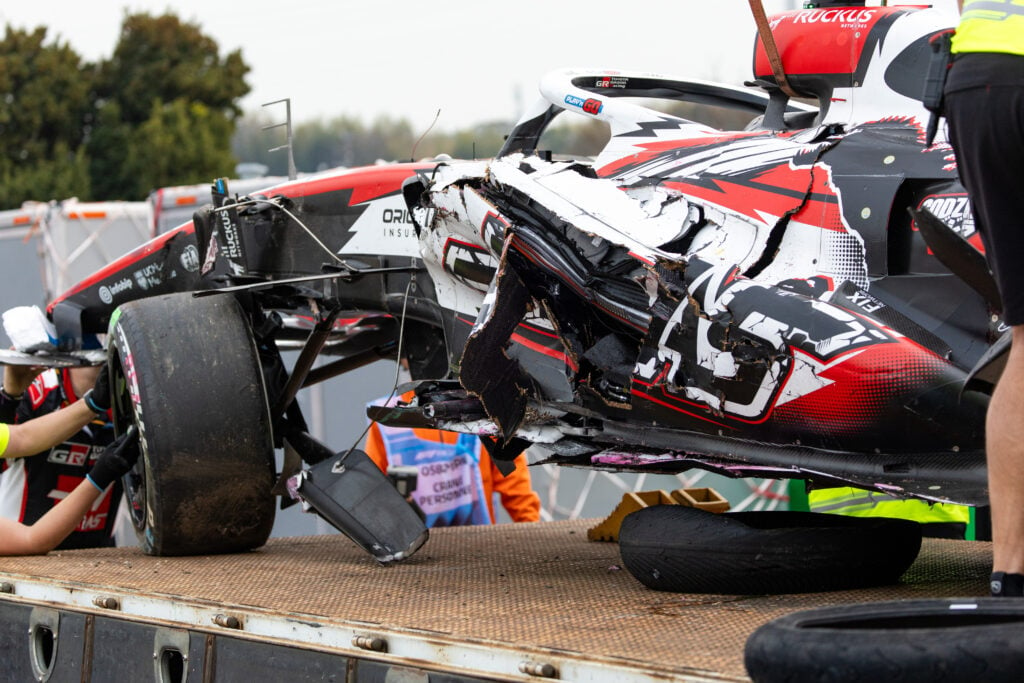
The response follows Bearman’s crash at Suzuka, where he encountered a much slower car ahead at Spoon Curve and was forced into sudden evasive action.
The speed difference led him onto the grass, where he lost control and slammed into the barriers in a heavy impact measured at around 50G, though he avoided serious injury.
FIA prioritises safety review as 2026 rules linked to dangerous speed differences
The crash has intensified scrutiny around the 2026 power unit regulations, particularly how energy deployment and harvesting phases create drastic speed differences between cars.
That dynamic was a key factor in the incident, as Bearman approached a slower car on the racing line before losing control during avoidance.
“Any potential adjustments, particularly those related to energy management, require careful simulation and detailed analysis. The FIA will continue to work in close and constructive collaboration with all stakeholders to ensure the best possible outcome for the sport and safety will always remain a core element of the FIA’s mission.
“At this stage, any speculation regarding the nature of potential changes would be premature. Further updates will be communicated in due course,” the FIA further stated.
The governing body has made it clear that changes are being evaluated, but only after detailed review.
The Bearman crash has now become the clearest example of the risks tied to the new regulations.
Receive exclusive football transfer news and updates twice a week to your mailbox