
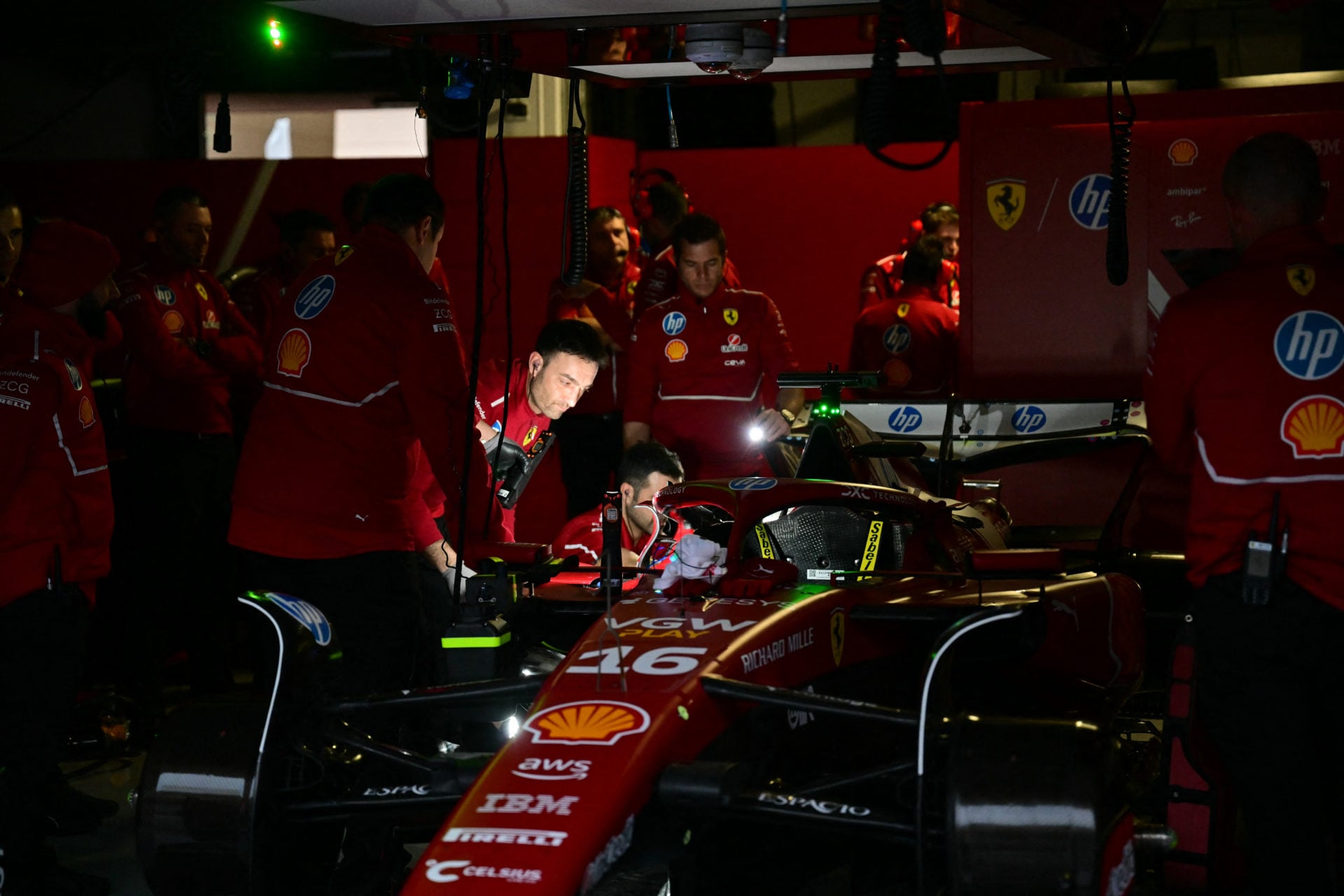

F1 engineers are already feeling the effects of new regulations as they prepare their cars for pre-season testing, and Ferrari have run into an early problem.
On top of the engine formula changes that power unit manufacturers are working on, every constructor is also building a completely new chassis to fit Formula 1’s updated specifications.
The 2026 cars will be smaller than the current ones, weigh less, and feature active aerodynamics instead of DRS, which has been used to help overtaking since 2011.
Ferrari have highlighted the sidepods as one of the key areas under the new rules and are aiming to match the level of downforce that teams like Red Bull and McLaren have achieved in previous years.
But sidepods aren’t Ferrari’s only area of focus this year.
Ferrari are encountering a ‘critical issue’ with the development of their 2026 front wing

According to La Gazzetta dello Sport, Ferrari plan to use pre-season testing in Barcelona to assess the functionality of their car, before making more definitive changes during the Bahrain sessions.
One area that’s already been flagged is the front wing. Like every other team on the grid, Ferrari are dealing with the challenge of adapting to new active aerodynamic systems.
Unlike DRS, which has been in place for years, the new system introduces movable flaps on the front wing. This change means teams need to completely redesign that part of the car to optimise airflow towards the floor.
This is also a big reason why Ferrari have chosen to refine their car in parallel with data gathered during early testing sessions rather than finalising everything before hitting the track.
Technical director Loic Serra will have time throughout testing to assess what’s working and what needs adjusting, aiming to give Ferrari a solid foundation heading into the opening race weekend.
Ferrari raise concerns with FIA over engine ‘loophole’ used by Mercedes and Red Bull
On the power unit front, Ferrari have taken issue with what they believe is a loophole being exploited by both Mercedes and Red Bull during the development of their 2026 engines.
Mercedes are thought to have gained an advantage of around three-tenths of a second by increasing the compression ratio within their engines. That kind of gap could be enough to push them from midfield contenders into the battle at the front.
F1 analyst Gary Anderson doesn’t see it as cheating, though. He thinks the competitive nature of new regulations is why Ferrari chose to flag it, rather than anything underhanded on Mercedes’ part.
The former Jordan technical chief even suggested that if Ferrari had been first to find this edge, it might not have been raised with the FIA at all.
Receive exclusive football transfer news and updates twice a week to your mailbox