

F1’s big rule changes for 2026 have some in the paddock worried
Formula 1 is about to undergo its biggest technical overhaul yet, but not everyone is convinced it’s a step in the right direction.
The 2026 regulations are built around sustainability, with the switch to fully sustainable fuels and a new power unit formula splitting power evenly between internal combustion and electric.
There’s plenty of buzz about what these changes could bring, especially with Audi and Cadillac joining the grid, and Red Bull stepping up as a full manufacturer. But not all feedback has been positive.
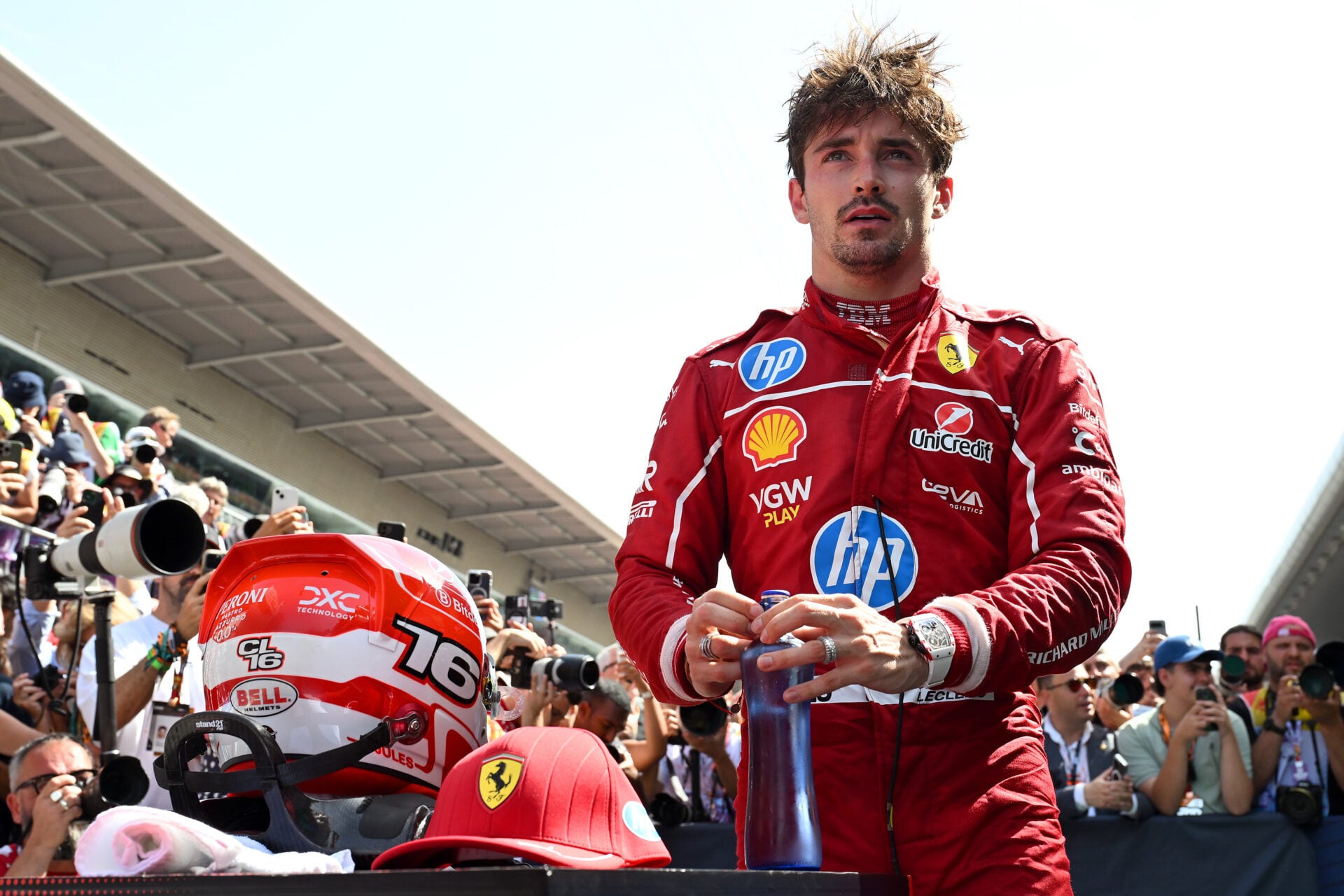
Reports from early simulator runs haven’t been encouraging. None of the drivers who tested the new cars were happy with how they felt. Charles Leclerc, speaking to Autosport, said he found them “less enjoyable” to drive compared to what’s on track now.

The main issue seems to be performance drop-off. The reduction in downforce means less grip through corners, something Leclerc isn’t thrilled about. He hopes there will be further tweaks before the rules are finalised.
The FIA estimates lap times will initially be around a second slower than current speeds. However, director Nikolas Tombazis believes performance will catch up by 2027. Despite concerns from drivers like Leclerc, there are some within the paddock who believe other changes could still make racing more exciting under the new rules.
2026 F1 rules could put more focus on driver skill, says paddock insider after Leclerc criticism
With less downforce and grip in 2026, corners like Copse at Silverstone will rely more on driver ability. Currently, cars take Copse flat out, which reduces how much the driver can influence the lap.
That won’t be the case under the new regulations, and it’s expected that drivers with better car control will benefit most. Speaking to The Race YouTube channel, journalist Jon Noble noted that an insider described this as a potential positive for those who aren’t happy with the changes.
“His prediction is that by the time the 2027 season is underway, lap times will already be back to the level we have right now.
“There is also what one paddock figure has referred to as a ‘twist in the tale’ of drivers being potentially unhappy by having to race cars with less grip next year.
“And that is that a drop in performance should make some tracks and especially some specific corners much harder from next year. So there will be a bigger premium on driver talent making the difference.”
How the 2026 F1 regulations could highlight driver skill
With less downforce and reduced grip, corners like Copse at Silverstone will become more reliant on driver ability. In the current era, Copse is taken flat out, minimising how much difference a driver can make.
That won’t be the case in 2026. The best drivers are expected to benefit most as they figure out new ways to approach these corners. Speaking on The Race’s YouTube channel, journalist Jon Noble pointed out that some insiders see this as an unexpected upside for those who aren’t happy with the changes.
“Tombazis expects that as teams get to grips with understanding the new aero regulations, they will quickly find more lap time through development, so the gap between the new rules and what we have right now will be soon wiped away.

“His prediction is that by the time the 2027 season is underway, lap times will already be back to the level we have right now.
“There is also what one paddock figure has referred to as a ‘twist in the tale’ of drivers being potentially unhappy by having to race cars with less grip next year.
“And that is that a drop in performance should make some tracks and especially some specific corners much harder from next year. So there will be a bigger premium on driver talent making the difference.”
Receive exclusive football transfer news and updates twice a week to your mailbox