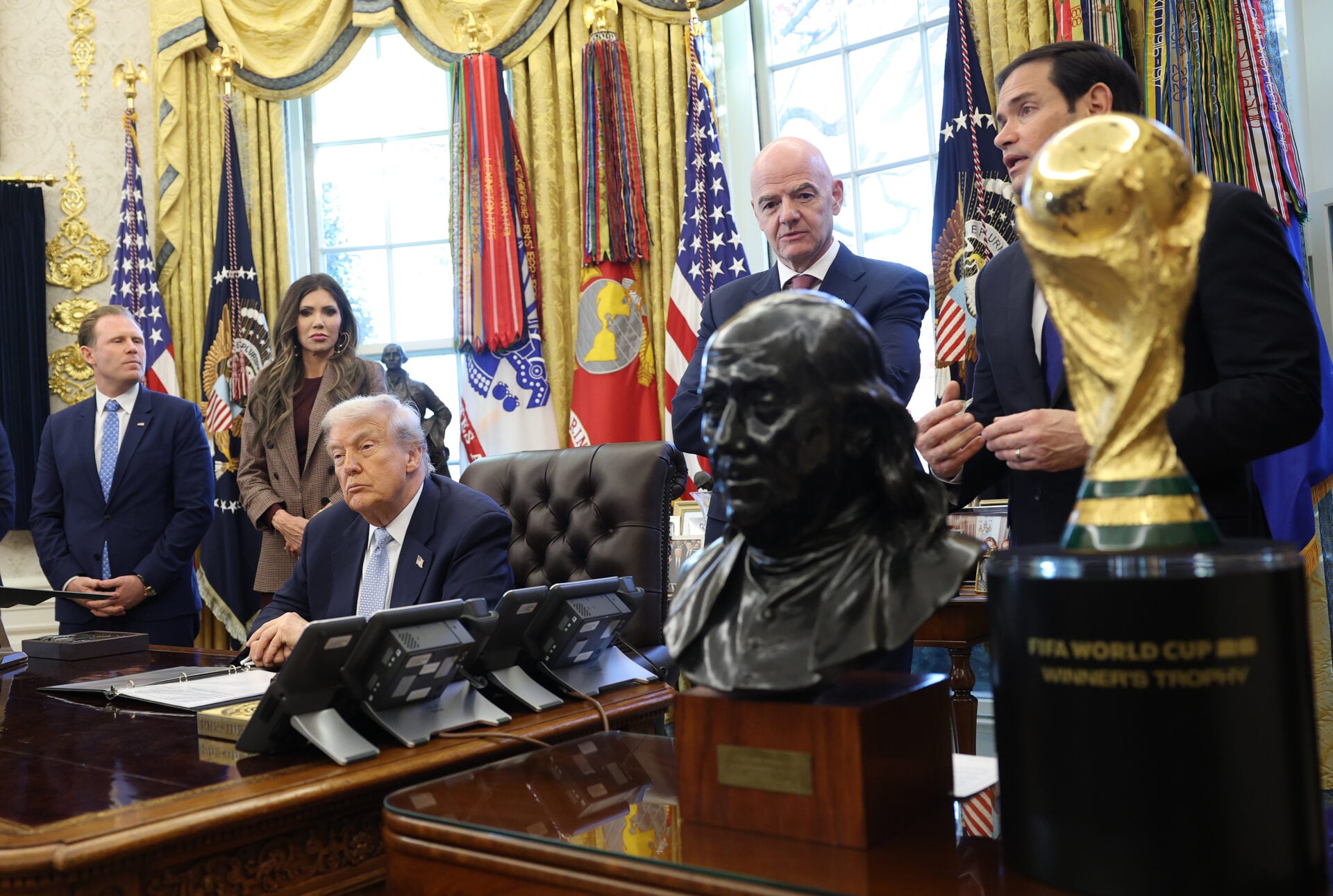

World Cup politics are already part of the 2026 build-up, with Iran and Haiti facing full US travel restrictions and Senegal and Ivory Coast under partial restrictions.
Those rules are not expected to stop the teams themselves from playing, with athletes and official delegations covered by exemptions. But it did make us think about just how closely tied the World Cup is to global affairs.
What about countries that were not just restricted by a host nation, but banned from the tournament by FIFA or football’s governing structures? These are the World Cup-related cases where politics, war, sanctions or government interference kept a country out.
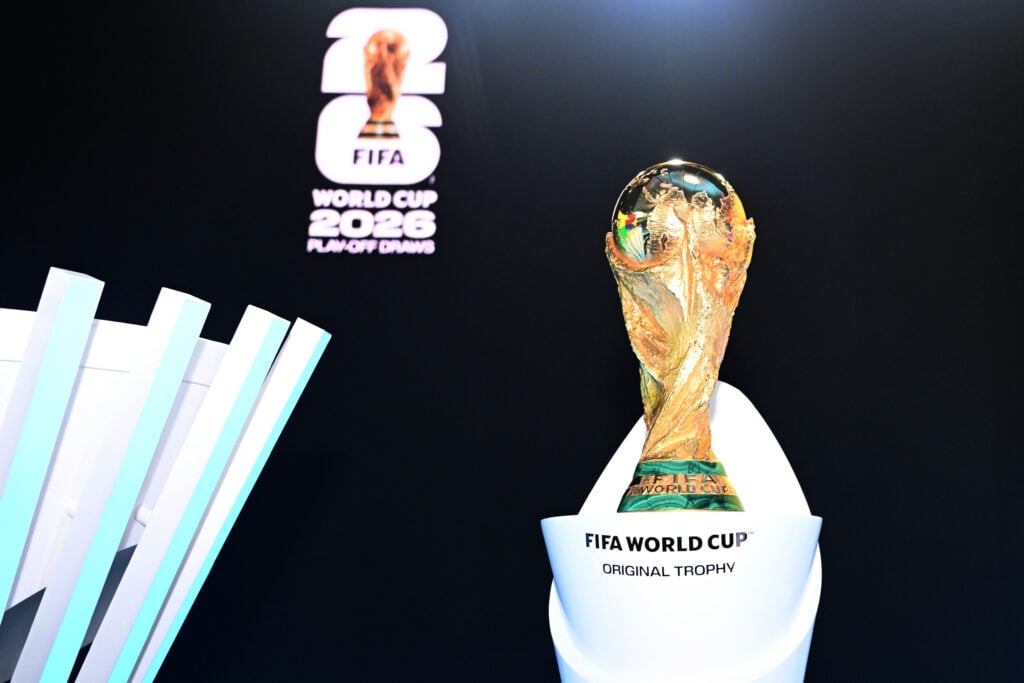
Every World Cup nation banned from the tournament by FIFA
1950 World Cup: Germany and Japan
Germany and Japan were both excluded from the 1950 World Cup in Brazil after the Second World War.
The tournament came during football’s post-war reset, with both countries still being reintegrated into the international sporting structure.
Germany returned quickly. West Germany qualified for the 1954 World Cup in Switzerland and won the tournament.
Japan also returned as post-war restrictions eased and its football structures were restored.
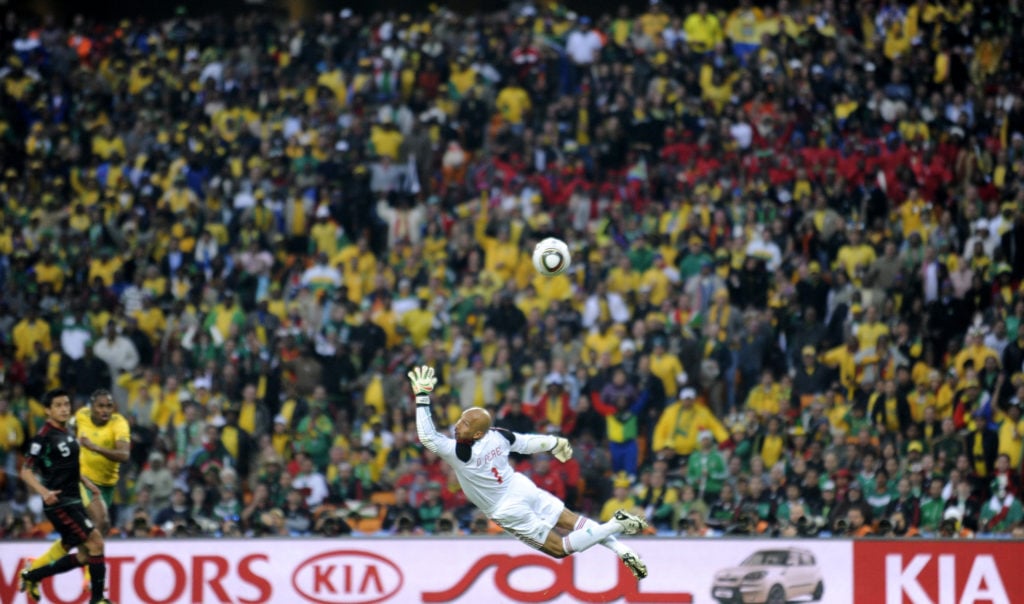
1966 to 1990 World Cups: South Africa
South Africa had the longest political exclusion in World Cup history.
FIFA suspended the country over apartheid, with pressure growing as the anti-apartheid movement pushed sport to isolate South Africa.
The country was readmitted in 1992 after apartheid began to be dismantled.
South Africa later returned to the World Cup as a participant in 1998 and hosted the tournament in 2010.
1994 World Cup: Yugoslavia
Yugoslavia were kept out of the 1994 World Cup during the break-up of the country and the wars in the Balkans.
The suspension followed United Nations sanctions and removed them from the qualifying process.
It was a dramatic footballing fall. Yugoslavia had reached the quarter-finals in 1990, but by the time the USA tournament arrived, the old national team no longer existed in football terms.
The successor nations later returned separately as the political map changed.
2018 World Cup: Kuwait and Indonesia
Kuwait and Indonesia were both blocked from the 2018 World Cup qualifying cycle because of government interference in their national football associations.
These were governance cases rather than football punishments.
Kuwait were suspended by FIFA in 2015 and were unable to complete their qualifying campaign.
The suspension was lifted in December 2017 after Kuwait’s parliament adopted a new sports law to comply with FIFA rules.
Indonesia were also banned in 2015, with the timing preventing them from continuing in qualification.
Their ban was lifted in 2016 after the issue was resolved and Indonesia were allowed back into international football.
2022 and 2026 World Cups: Russia
Russia remain the clearest modern example of a World Cup ban tied directly to a state’s political and military actions.
They were barred from FIFA and UEFA competitions after the invasion of Ukraine.
That removed Russia from the 2022 World Cup play-offs and has also kept them out of the 2026 qualification process.
Russia have not yet been brought fully back into the international football structure.
2026 World Cup: Congo and Pakistan
Congo and Pakistan were both hit by FIFA suspensions during the 2026 World Cup cycle, although for different governance reasons.
Congo were suspended because of undue third-party interference in the Congolese Football Association.
In practical terms, FIFA viewed the federation as no longer operating independently enough from outside influence.
The suspension was lifted in May 2025 after FIFA was satisfied that control of the federation’s affairs and headquarters had been restored.
Pakistan were suspended after the Pakistan Football Federation failed to adopt a revised constitution designed to ensure fair and democratic elections.
FIFA lifted that suspension in March 2025 after the PFF Congress approved the constitution validated by FIFA and the AFC.
Why World Cup bans keep happening
The World Cup is the biggest global event in sports, so it has always been tied to global affairs.
Wars, sanctions, apartheid and government interference have all shaped who could and could not compete. There are the boring governance cases, but also historically significant events whose impacts seeped into the world’s biggest spectacle.
There are close cases in almost every cycle, and 2026 already carries the potential for awkward clashes because of travel restrictions and wider political tensions.
Hopefully, once the action starts on June 11th, the football takes the spotlight.
Receive exclusive football transfer news and updates twice a week to your mailbox