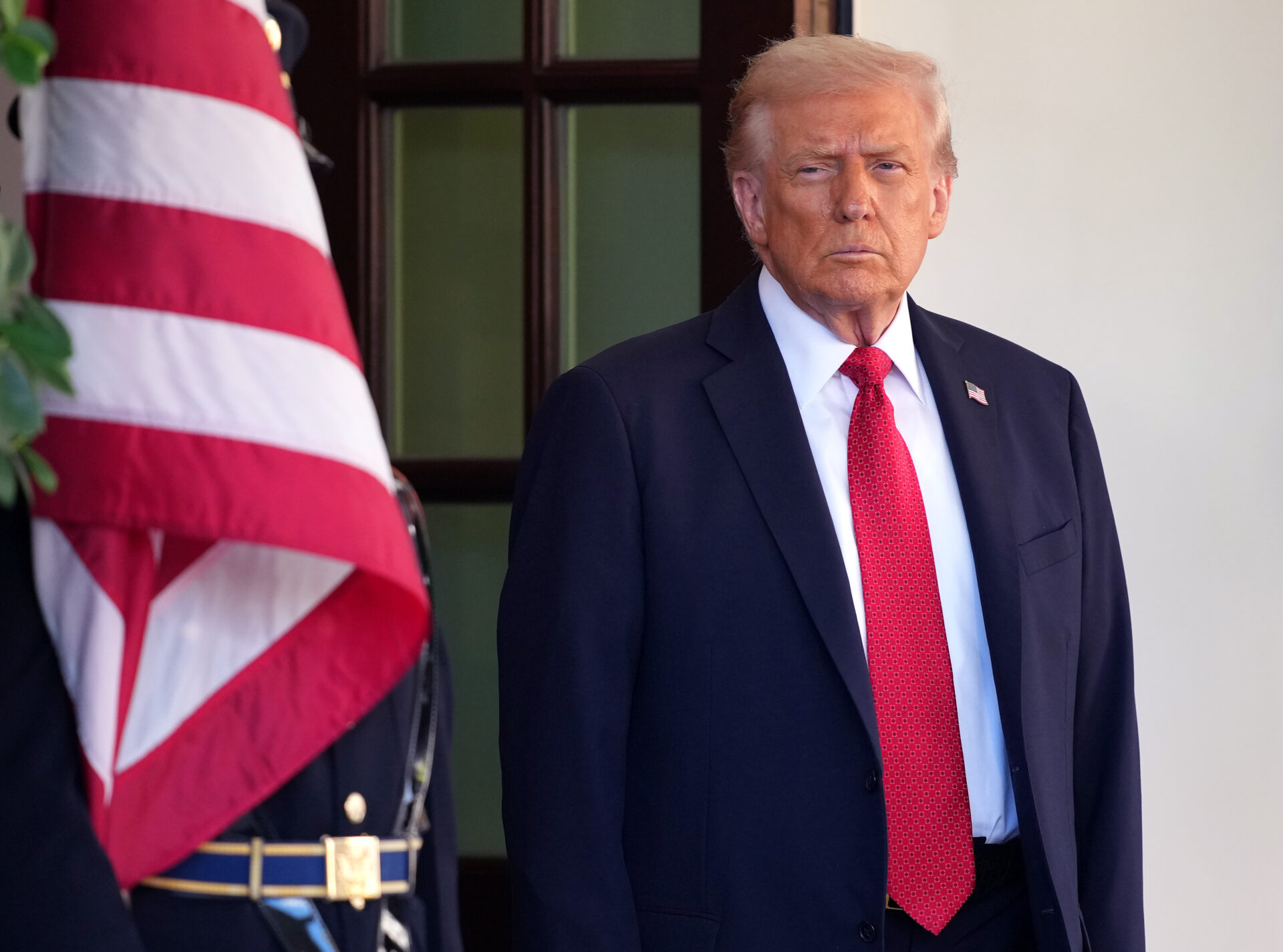

President Donald Trump’s repeated threats to pull 2026 World Cup matches from American cities he considers “unsafe” have created a new problem for organisers: local sponsorship deals are stalling just when host cities need them most.
While FIFA controls stadium sponsorships, cities across the U.S. have been working to secure local partnerships for fan festivals and non-competing categories, hoping these deals would help justify the enormous financial commitment. The revenue from these local sponsors was supposed to offset some of the massive costs cities are taking on to host matches.
But Trump’s threats to move games from cities like Seattle, Boston, Los Angeles, and San Francisco have thrown those plans into chaos. Host city executives say the political uncertainty is making brands hesitant to commit, and in some cases, sponsors are demanding protection clauses in case games get relocated.
Sponsors want exit clauses as Trump names problem cities
According to several executives involved in the process, Trump’s rhetoric has slowed down negotiations that were already moving at a crawl.
Bob Lynch, founder and CEO of SponsorUnited and a former partnerships executive with the Brooklyn Nets and Miami Dolphins, says brands are already factoring Trump’s comments into their decision-making. “When you have things like that, which include the threat of leaving or pulling out, it usually slows down the decision-making process,” Lynch told The Athletic. “They may say: ‘We need to watch and see.'”
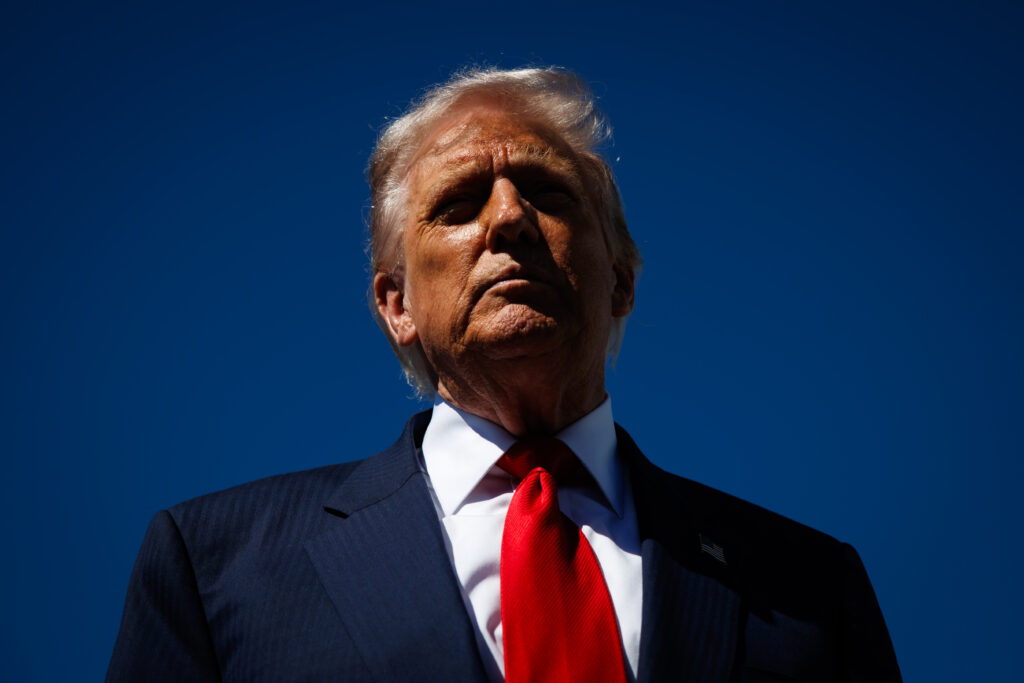
The uncertainty mirrors the kind of hesitation companies showed during past crises, like the pandemic. Sponsors are now asking for exit clauses in their contracts, worried the games could actually be moved.
Trump singles out Seattle, Boston, LA, and San Francisco
Trump has specifically singled out Seattle, San Francisco, Los Angeles, and Boston, saying in September he would call FIFA president Gianni Infantino to have matches moved if he felt conditions weren’t safe. “If any city we think is going to be even a little bit dangerous for the World Cup, we won’t allow it to go,” Trump said. “We’ll move it around a little bit.”
While the legal grounds for such a move are questionable, FIFA hasn’t exactly pushed back. In October, a spokesperson said, “Safety and security are obviously the government’s responsibility and they decide what is in the best interest for public safety.”
Chicago’s 2018 pullout looks smarter now
For some, the financial risks were clear long before Trump’s comments. Kara Bachman, who led the Chicago Sports Commission when the city withdrew from World Cup consideration in 2018, said there was no way to make the numbers add up. “There was not a way to get a handle on the financials in a way I could confidently stand behind,” Bachman told The Athletic.
Since then, costs have only grown. New Jersey’s MetLife Stadium has already spent $37 million on upgrades to meet FIFA requirements, and Miami-Dade County has approved $46 million to support games at Hard Rock Stadium.
FIFA’s own ticket sales show the problem
Meanwhile, demand isn’t living up to expectations. Sources say more than half the hospitality tickets for this summer’s expanded Club World Cup are still unsold.
Read more: Arsenal break new English top-flight record that Liverpool and Manchester United never managed
Lynch says the political noise is exactly what sponsors want to avoid. “Anybody in sponsorship on the sales side is going to want the least amount of disruption,” he said. “I’m sure, like anybody, they would want the noise to stop.”
Receive exclusive football transfer news and updates twice a week to your mailbox