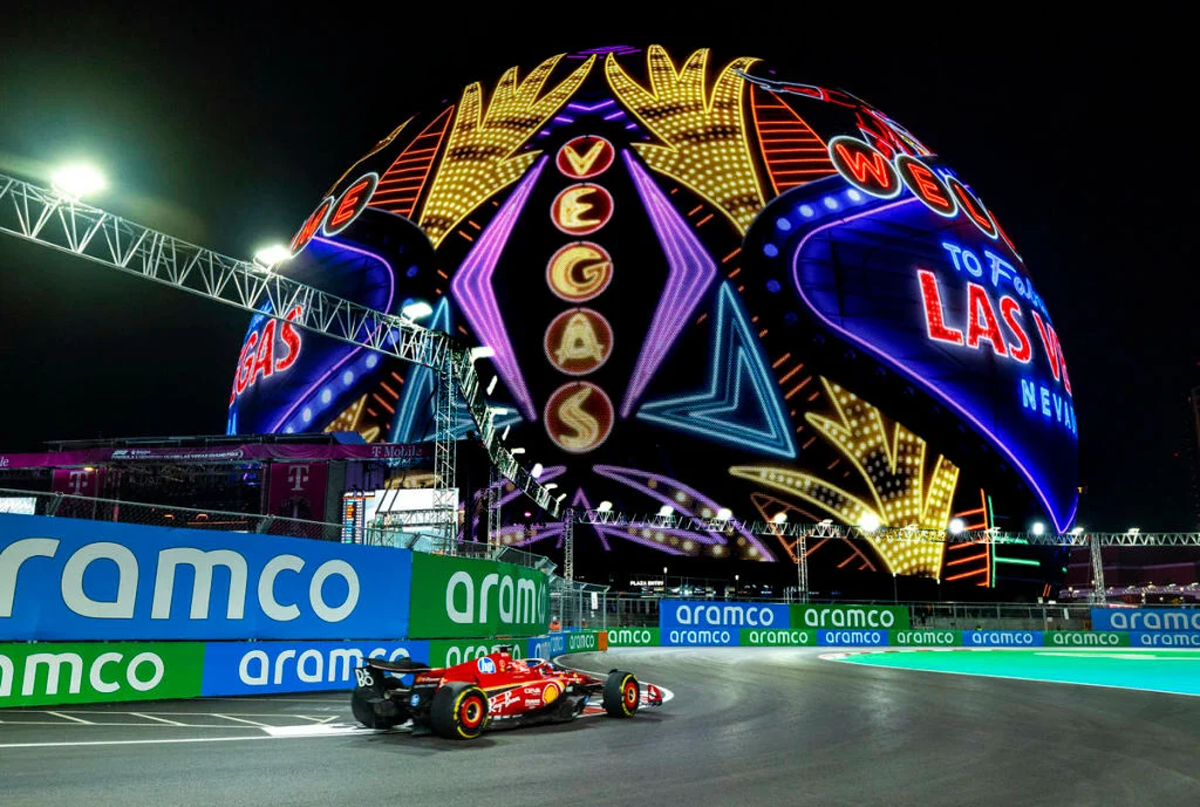

F1 is putting Mickey Mouse in front of the Bellagio fountains at the Las Vegas Grand Prix this November, and Bernie Ecclestone is probably rolling his eyes somewhere.
The sport just locked down partnerships with Disney, Lego, and Hot Wheels over the past year, and these deals represent everything Ecclestone spent decades rejecting. He wanted Rolex buyers at races, while Liberty Media wants 8 year olds building F1 cars out of plastic bricks at home.
The numbers explain why this shift makes sense. More than 4 million children aged 8 to 12 now actively follow F1 across the EU and US, an audience that didn’t exist five years ago. Meanwhile, 54% of F1’s TikTok followers and 40% on Instagram are now under 25. Liberty Media looked at those stats and realised they had a problem Bernie never wanted to solve.
Bernie’s strategy just doesn’t work anymore
Ecclestone famously said young people don’t buy Rolexes, so he built F1 around appealing to wealthy spectators who could afford paddock club tickets and luxury watches. That approach worked when F1 was a niche sport for European elites.
It doesn’t work when you’re trying to grow a global entertainment property. Drive to Survive changed F1’s audience composition completely, bringing the sport to 826.5 million fans worldwide, up 12% in 2024 alone. Most of that growth came from younger demographics who discovered F1 through Netflix, not from people buying Grand Prix tickets.
Liberty Media recognized something Bernie refused to accept. You can’t build lasting fandom by only targeting people who already have disposable income. You need to catch kids when they’re young, before they decide which sports matter to them.
How the Disney partnership actually works
The Disney collaboration kicks off with Mickey Mouse conducting a fountain show at the Bellagio during the Las Vegas Grand Prix. The “Fuel the Magic” campaign runs through 2026 and 2027, bringing Mickey and Friends into F1 through experiences, content, and merchandise.
Emily Prazer, F1’s Chief Commercial Officer, explained the thinking clearly when she said the sport wants to step outside pure motorsport and into broader consumer markets. Disney gives F1 access to families who might never watch a race but will buy a Mickey Mouse racing toy for their kid.
The merchandise line debuts in November at the F1 Las Vegas Hub, with select items available on DisneyStore.com afterward, and that retail strategy matters. Parents shopping on DisneyStore.com for birthday presents will see F1 products next to Frozen dolls and Star Wars figures, which means F1 becomes part of mainstream kids’ entertainment, not a separate sporting niche.
Lego and Hot Wheels fill different gaps
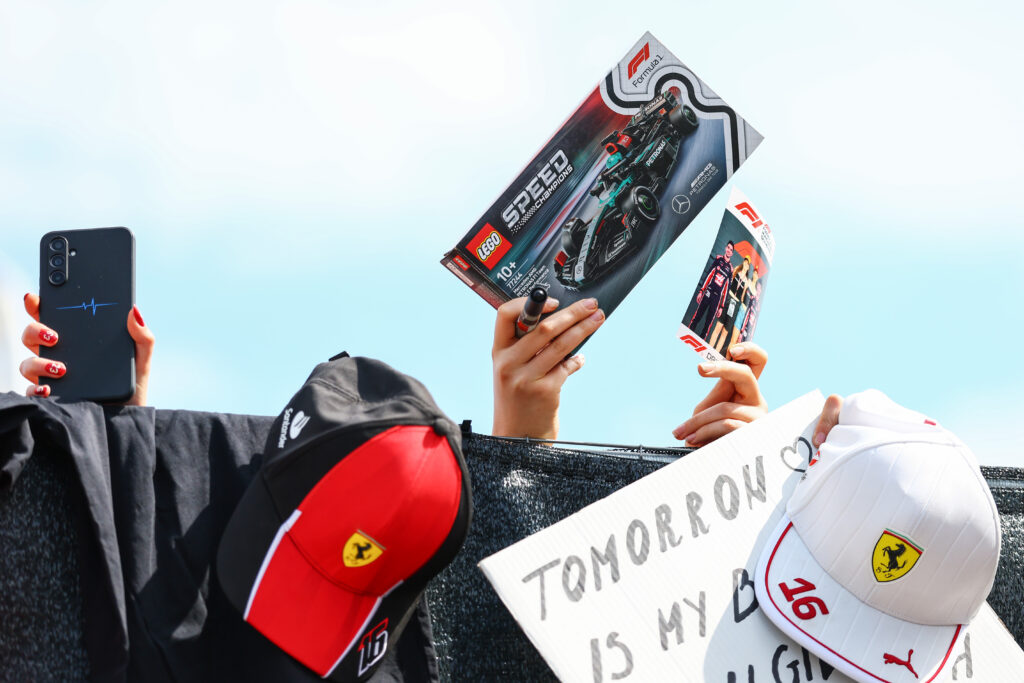
The Lego partnership works differently but serves the same goal. Lego released replica cars for all 10 teams with 2024 liveries, plus sets featuring historic cars like the Senna McLaren and Mansell Williams.
Emily Jacobs, Lego’s VP of licensing, told BlackBook Motorsport that family engagement drove the deal. Very few people actually attend races, so most fans engage with F1 at home. Lego sets let families build and play with F1 together, making the sport accessible beyond race weekends.
The Duplo sets for 2 year olds proved incredibly popular, which shows how young F1 is starting its audience development. Hot Wheels brings similar reach with 1:64 scale cars available in 150+ countries. These aren’t premium collectibles aimed at adult fans but rather $5 toys that parents grab at Target without thinking twice.
Why Drive to Survive made this possible
None of these partnerships work without the foundation Netflix’s Drive to Survive built. The show made F1 drivers feel accessible and human, so kids now know who Lando Norris is the same way they know Marvel characters.
Jacobs mentioned this directly when discussing Lego’s “Brick Break” content series with drivers, noting that athletes having personalities matters for kid fandom. When drivers do media that makes them relatable, it creates emotional connections beyond just watching cars go fast.
Drive to Survive essentially did for F1 what Space Jam did for basketball, turning the sport into entertainment content that transcended racing itself. That transformation opened doors for partnerships Bernie would have slammed shut.
The risk F1 is actually taking
Partnering with toy companies does create potential tension with F1’s luxury brand positioning. The sport still sells itself as premium entertainment, which you can see in partnerships with LVMH and continued emphasis on wealthy spectators at races.
F1 is essentially trying to be both Rolex and Hot Wheels simultaneously, and that’s tricky. The sport needs to maintain its aspirational appeal while also being accessible enough that kids can engage with it through $20 Lego sets.
So far, the approach seems to be working as viewership keeps growing across demographics. The Vegas race drew huge audiences, and merchandise sales through these partnerships will add significant revenue streams. Most importantly, F1 is building a pipeline of young fans who will age into ticket buyers and premium customers over the next decade.
What this means going forward
The Disney deal runs through 2027, while the Lego and Hot Wheels partnerships are multi-year agreements without specified end dates. F1 clearly views youth engagement as a long-term strategic priority, not a one-off experiment.
Expect more partnerships like these as F1 will likely pursue deals with gaming companies, streaming platforms, and other entertainment brands that can deliver young audiences. The sport learned that waiting for kids to discover racing on their own doesn’t work. You need to meet them where they already spend time.
READ MORE: Susie Wolff reveals the key role Christian Horner played in her career after retiring from racing
Bernie’s strategy made sense for his era of F1, while Liberty Media’s approach makes sense for where the sport is headed. The Vegas fountain show with Mickey Mouse might look silly to traditionalists, but it’s targeting 4 million kids who represent F1’s future, not its past. That’s the whole point.
Receive exclusive football transfer news and updates twice a week to your mailbox