

It wasn’t the cancelled practice that stood out most about how Dave Canales wrapped up Panthers minicamp, but rather how he spoke about what’s coming next.
Carolina had another session on the calendar, but Canales ended the spring with meetings instead, following what he called one of their most intense practices of the offseason. He pointed to the team’s effort and conditioning, then made it clear that players need a plan for how they spend the next five weeks before camp.
The more important point came afterwards. Canales warned that Carolina should be ready for what he called “the hardest camp they’ve ever had,” and his tone suggested he believes they’re prepared to handle it.
Canales and the Panthers shift gears from learning to proving
Last season was about building the foundation, but this time, Canales is approaching things with a different mindset. He believes the groundwork has been laid and now wants to see it hold up under pressure.
The Panthers report to camp on July 22 because of their early start in the Hall of Fame Game. It means they’ve got an extra preseason game and a different timeline compared to most teams. Canales also mentioned that joint practices will add another layer, bringing more intensity and greater recovery demands.
This year’s training camp isn’t just about putting in work—it’s about seeing how well players handle everything that gets thrown at them. More reps, bigger playbooks, tougher conditioning drills—every part of it is a step up from last year.
The Panthers are moving from installation to expectation
Last year was about teaching standards. This offseason sounds like a coach who believes the foundation is built and now wants to test it.
They’re scheduled to report on July 22, ahead of their appearance in the Hall of Fame Game, which means an extra preseason fixture and a slightly different lead-up than most teams. Canales also pointed out the added recovery needs tied to joint practices and higher intensity work this year.
This time around, camp is more of a proving ground. There’s going to be increased reps, expanded playbook volume, tougher conditioning demands and a greater expectation for players to arrive already up to speed.
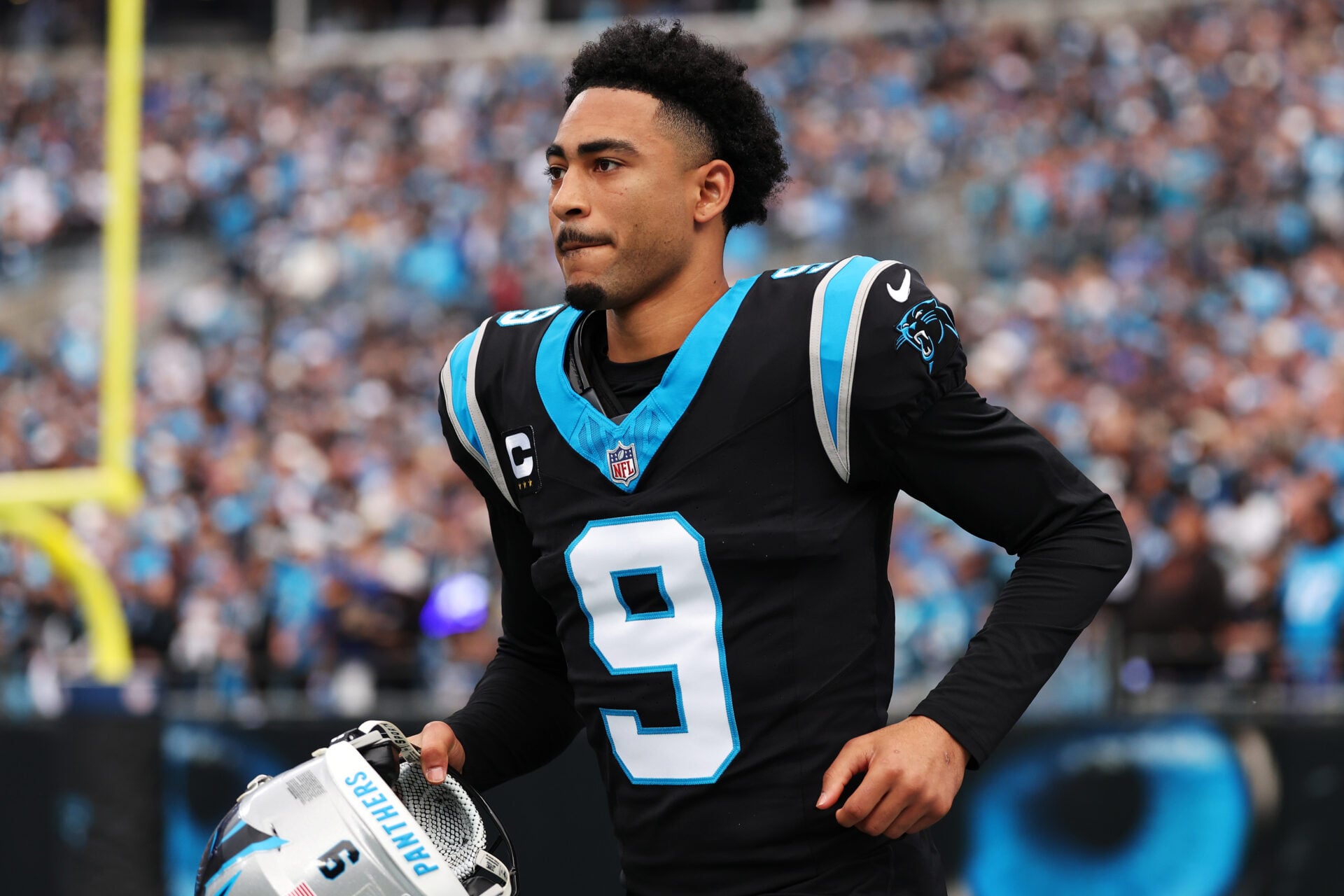
Bryce Young is being asked more by Carolina heading into year three
The message hasn’t changed: he wants Young taking control at the line – handling protection calls, checks and adjustments – and shaping plays before the snap. It’s a clear step forward in how they’re shaping his role. Carolina now expects Young to take charge pre-snap, steering traffic so things can flow more quickly once play begins.
Canales’ remarks about Tetairoa McMillan fit into a wider theme. He spoke about McMillan’s ability to absorb information, understand concepts, and apply details to his game. But what stood out was how he kept coming back to the habits: attacking the ball, finishing plays, and treating every rep like it mattered.
It’s the same message Canales has repeated throughout the offseason. Carolina isn’t just looking at talent; they want to see how quickly young players can operate within the system and act like professionals.
That same standard applies across positions. Canales noted that Tommy Tremble had one of his healthiest springs yet and praised his grasp of the playbook. He also described Ja’Tavion Sanders as someone who’s becoming more consistent and stepping into a leadership role. The Panthers aren’t just looking for tight ends who can make plays here and there—they want them fully involved in every aspect of the offence.
Carolina’s approach to the offseason break
The Panthers’ approach to the offseason reflects where they see themselves as a team. Last year, everything was about getting players on the same page and building structure. This summer, it’s about seeing who can work within that structure without needing every step mapped out for them.
It’s a shift in expectation that mirrors what Canales has said all spring. Rookies and younger players aren’t just being taught how to follow instructions—they’re being expected to act like professionals who can manage their own time and preparation.
That’s often where you start to see separation in young rosters. It’s not just about who looks good during organised practices, but who returns from the break ready to handle a heavier load, both physically and mentally.
Receive exclusive football transfer news and updates twice a week to your mailbox