
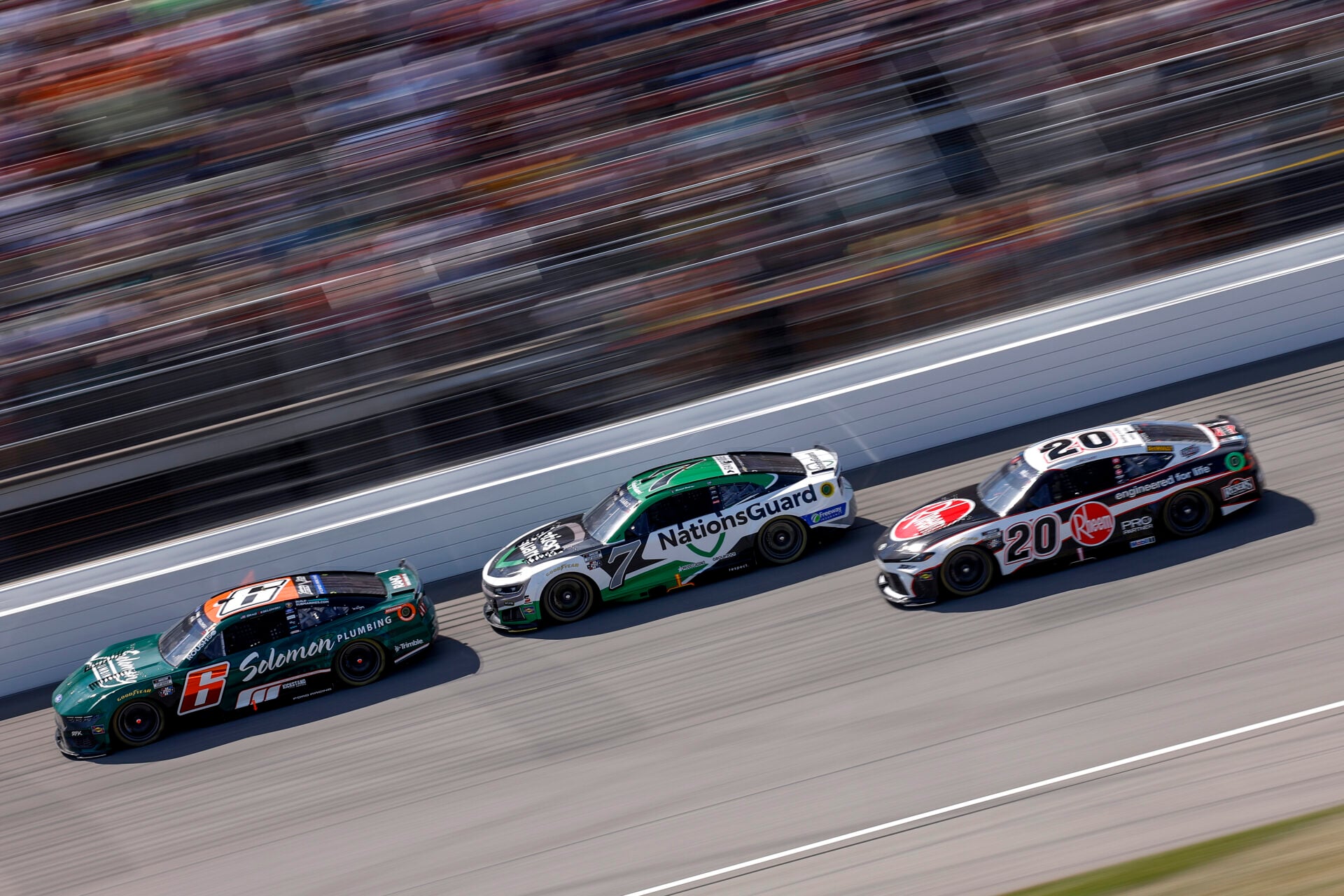

Christopher Bell’s crash at Michigan International Speedway has been described as the hardest impact NASCAR has recorded in at least a decade.
The Joe Gibbs Racing driver was running near the front during the FireKeepers Casino 400. Contact from Chase Elliott sent him hard into the outside wall in Turn 3.
The incident unfolded on Lap 148 when Elliott lost traction over a bump and slid into Bell while they battled for position.
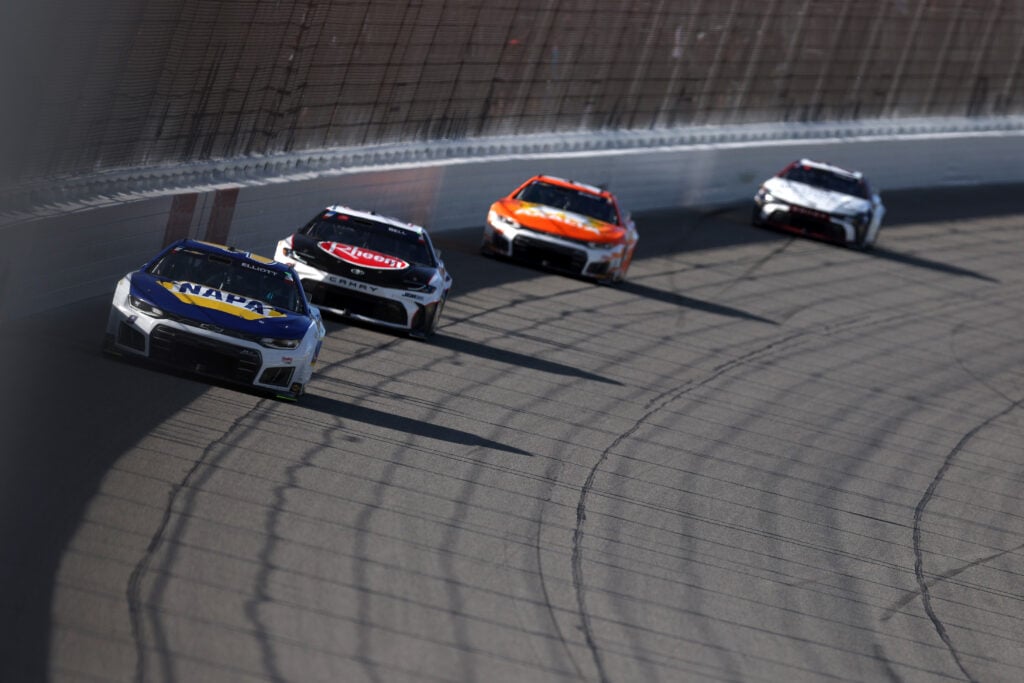
Bell’s crash placed NASCAR’s safety data under the spotlight
The initial contact launched Bell into the wall before a secondary impact occurred as Elliott’s car returned up the track.
The crash caused significant damage to Bell’s No. 20 Toyota and the SAFER Barrier, forcing a lengthy repair period before the race resumed.
NASCAR officials later revealed the crash generated the highest Delta-v measurement recorded during the Next Gen era.
It was also the largest impact captured using NASCAR’s current safety tracking methodology dating back to 2015.
NASCAR has not publicly disclosed the specific Delta-v number, with that data shared privately with Bell and Joe Gibbs Racing.
Delta-v measures the amount of speed lost during a crash, rather than only the peak force generated during impact.
That distinction matters because injury risk depends on more than one dramatic number.
NASCAR’s review shows why this crash matters beyond Michigan
NASCAR immediately reviewed Bell’s car and the damaged barrier system after the crash. Officials later conducted a detailed inspection at the Joe Gibbs Racing shop as part of the standard post-incident process.
One area that attracted particular attention was the head surround foam used inside Bell’s cockpit.
NASCAR was encouraged by how the head surround supported Bell during what officials described as the biggest impact of the Next Gen era.
Officials measured the foam’s thickness, softness and configuration to decide whether Bell’s setup could offer wider safety lessons. That is the real significance of this accident.
Bell’s crash was not only frightening because of the impact itself. It was important because NASCAR now has a rare and extreme data point that could shape future cockpit protection.
Receive exclusive football transfer news and updates twice a week to your mailbox