
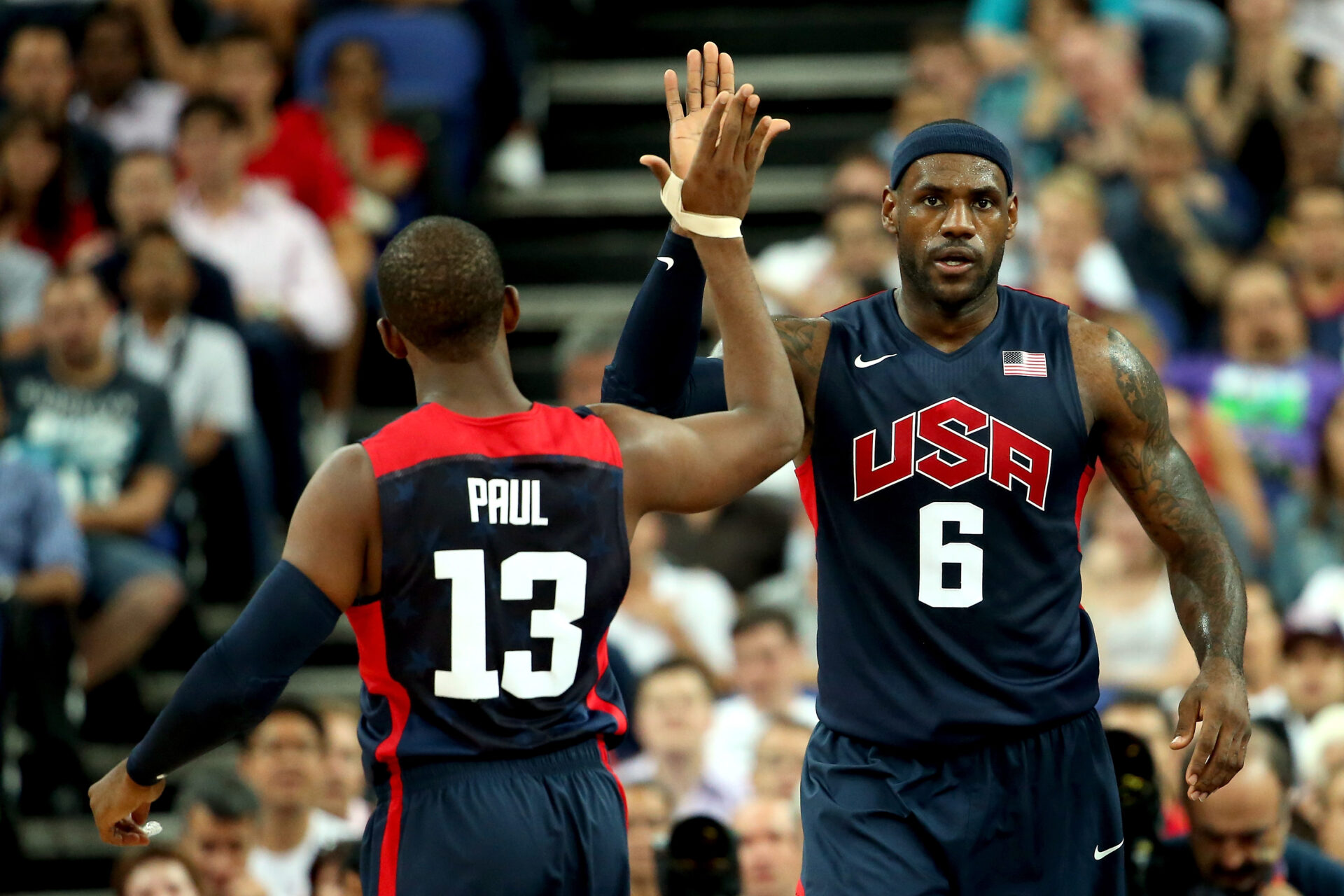

A forgotten exchange involving Chris Paul has surfaced, shedding new light on how Byron Scott quietly learned that LeBron James was preparing to leave the Cleveland Cavaliers in 2010.
The story offers rare insight into how the decision was already circulating behind the scenes long before it became public.
Chris Paul tipped Byron Scott off about LeBron James’ exit in 2010
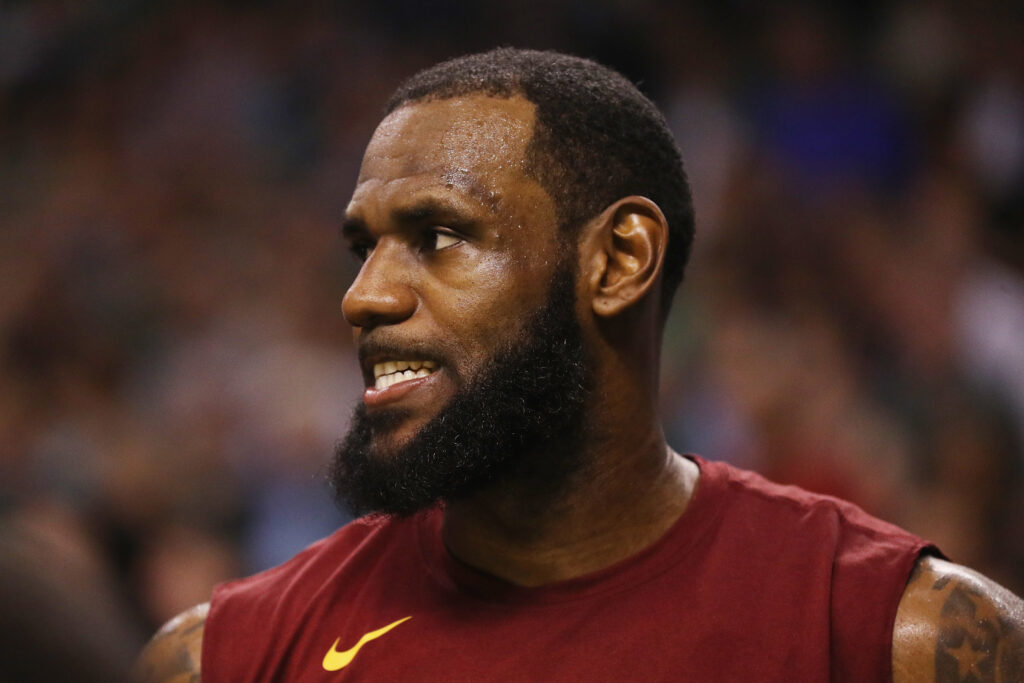
Speaking on Fast Break, Byron Scott recalled a private conversation that revealed LeBron James’ intentions months before The Decision.
“We had a meeting, and the GM said, ‘Oh, he ain’t leaving. He ain’t got the balls to leave.’ I’m like, really? He’s like, ‘Nah, he ain’t got the balls to leave.’ I said well, I can find out. Imma call Chris Paul,” Scott said.
He added: “I called CP and asked what is LeBron going to do? He said, ‘Coach, let me call you back.’ He called me back within 10 minutes and said, ‘Oh, he’s gone, coach.’
“I went back in the meeting and said, ‘Yeah, he’s gone. The GM said, ‘Nah, he ain’t going anywhere.’”
The exchange highlighted just how disconnected Cleveland’s front office was from the reality unfolding around the league. While executives dismissed the idea of LeBron leaving, Scott trusted relationships rather than assumptions.
Chris Paul’s role was pivotal. As one of LeBron’s closest peers, his confirmation carried far more weight than internal optimism, even if decision makers were unwilling to accept it.
Olympics context explained LeBron James’ move
Scott went on to explain why he believed the plan had already taken shape well before free agency, again pointing to conversations with trusted sources.
“I said I have a pretty good source who is close to him who said he’s gone. They didn’t want to believe it…,” Scott continued.
“I think this was being put together at the Olympics… if I’m LeBron, and I’m the best player in the league, you join me. Not me joining you. Magic would never leave and join Michael Jordan,” he concluded.
The comments reinforced the idea that the foundation for LeBron’s Miami move was laid during international competition, where relationships between elite players deepened away from NBA scrutiny.
For Scott, the frustration was not the decision itself, but the refusal to confront reality. Cleveland’s leadership clung to belief while evidence mounted around them.
In hindsight, Scott’s account reads like a warning that went ignored. The Cavaliers were preparing for a future that no longer existed.
Receive exclusive football transfer news and updates twice a week to your mailbox