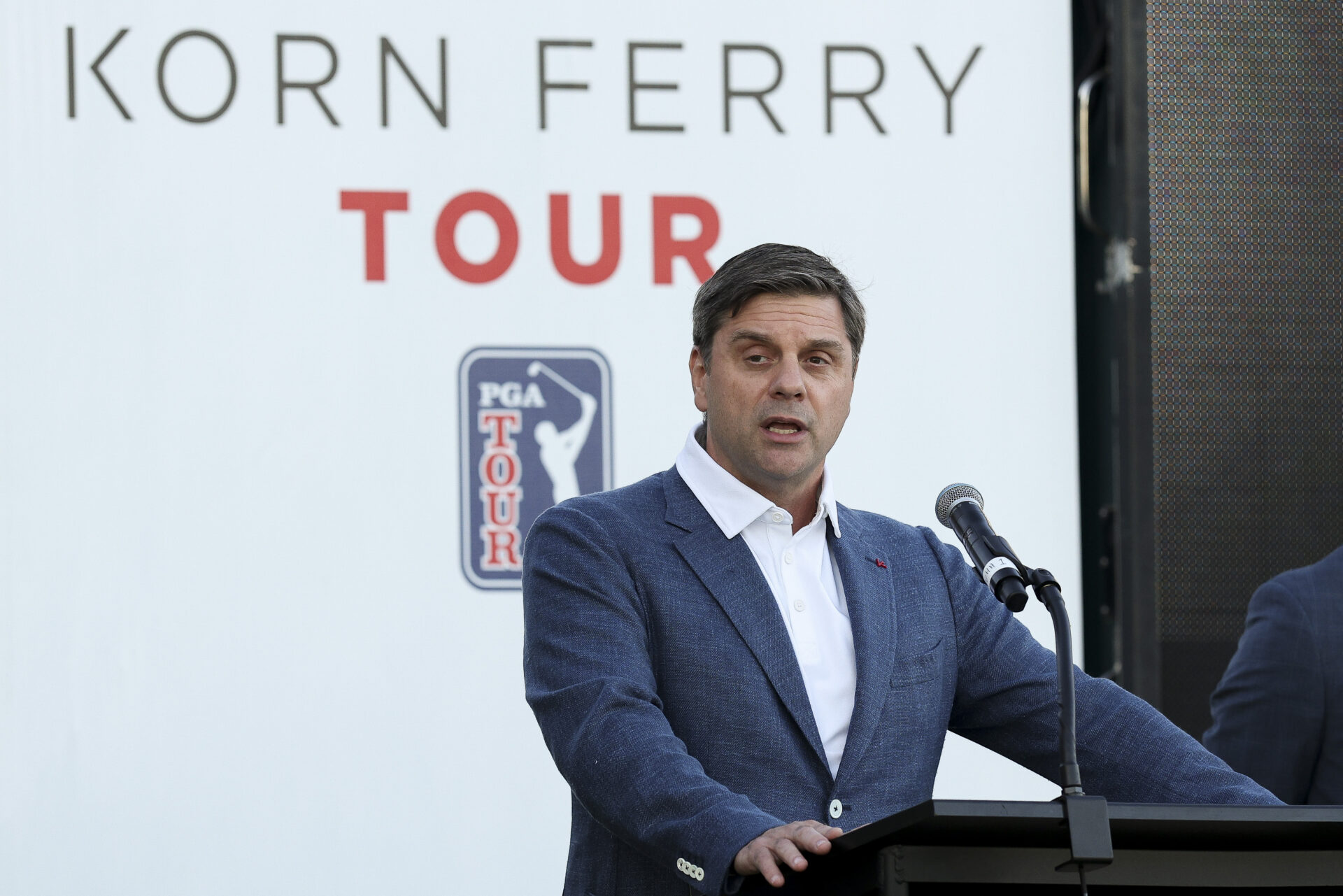

PGA Tour CEO Brian Rolapp moved over from the NFL with a clear goal: help push golf even further into the mainstream.
Rolapp was a key part of that rise. Before taking over at the PGA Tour, he was COO of NFL Media, where he learned firsthand how to build something big and keep it growing.
According to Statista, the NFL racked up over 900 billion minutes watched in 2023 — three times more than the NBA, despite having far fewer games.
Now in charge of one of golf’s most important roles, Rolapp has said he won’t let tradition hold him back from making changes. And while some have criticised that approach, it hasn’t slowed him down.
PGA Tour schedule changes
His latest proposal is a shorter PGA Tour season. It’s still early days, but Rolapp appears open to shaking up how the schedule works — as suggested by comments from Harris English earlier this week.
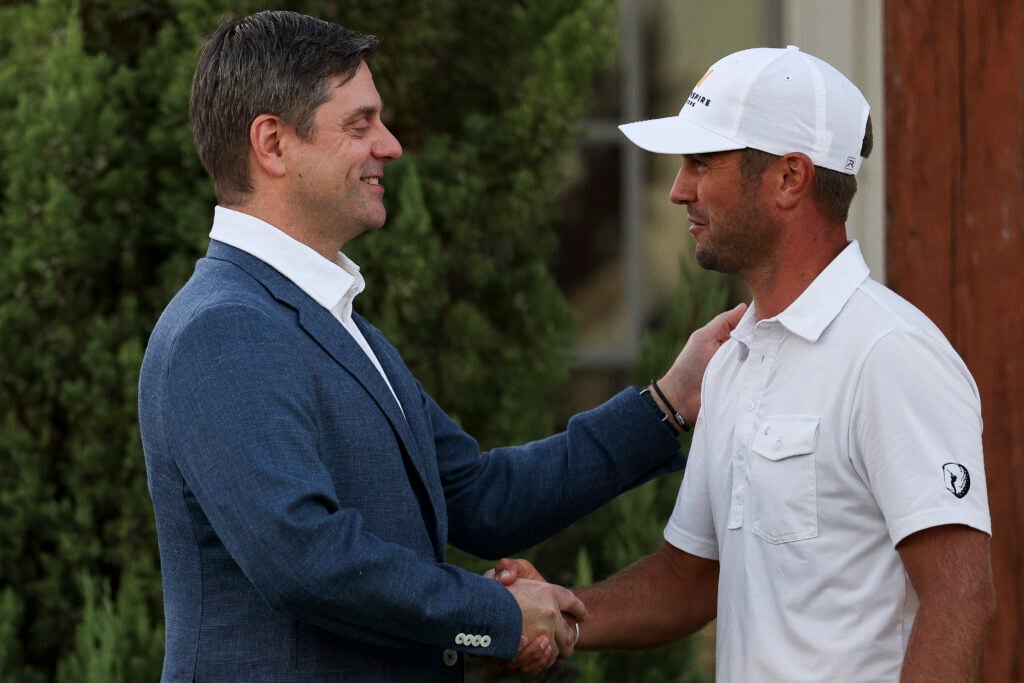
The main goal behind this change seems to be maintaining high interest throughout the season. With fewer events and each one carrying equal weight, every tournament would matter more. That could keep fans engaged for longer stretches of time.
This approach mirrors some elements of American sports leagues like the NBA and NFL, where each game has significant importance in shaping playoff races and championships.
What Brian Rolapp has learned from the NFL with recent PGA Tour changes
The NFL’s dominance as America’s favourite sport comes down to one thing: urgency. Unlike the NBA’s 82-game schedule or MLB’s 162-game grind, the NFL plays just 17 regular season games, each carrying significant weight.
In a world full of distractions, the NFL has managed to make every Sunday feel like an event. Every result matters – every loss is a setback, and every win pushes teams closer to their goals. The structure forces players to be available for every match-up, adding value to each contest.
The league took hold of Sundays by making every fixture count. Now, the PGA Tour wants to apply a similar approach to golf.
Under the proposed changes, by reducing the number of events and removing signature tournaments, each week would carry more significance. A win wouldn’t just be another notch on a player’s record – it would have real impact on FedEx Cup points and even Ryder Cup selection.
The new setup could see top players featuring more regularly in events that actually matter throughout the season.
No single bad week would ruin a player’s year, but an extended poor run could have serious repercussions over time. Without consequences tied to results, what do they really mean?
A shorter season raises the stakes and should improve participation rates across the board. Fans are likely better off wanting more golf rather than feeling overwhelmed by too many events packed into the calendar.
If these adjustments go through, they could signal positive change for both fans and players alike.
Why a post-Super Bowl start could work in the PGA Tour’s favour
Beyond the scheduling tweaks already being discussed, Harris English also mentioned that the tour might shift its start date to after the Super Bowl.
That adjustment would mean early-season events, particularly those in Hawaii and along the West Coast, wouldn’t have to compete with the attention drawn by NFL playoffs.
Rolapp is well-suited to oversee such a shift. Most CEOs in his position would simply accept that competing with the NFL isn’t realistic and adjust accordingly. Rolapp, though, played a part in building that dominance during his time at NFL Media.
This is less about conceding ground than it is about recognising where audiences already are and finding space for golf to grow. It’s not giving up; it’s simply understanding what he helped create – there’s no shame in moving out of its way.
The PGA Tour isn’t going to outdraw American football anytime soon. But Rolapp sees an opportunity for golf to fill some of that gap once gridiron action wraps up for another year. It looks like he understands where golf fits into the picture – and more importantly, where it could go from here.
Receive exclusive football transfer news and updates twice a week to your mailbox