The United States Grand Prix has been on and off the Formula 1 schedule since it first appeared in 1959. Since 2012, the race has found a regular home at the Circuit of the Americas in Austin.
Following a four-year break, F1 returned to America in 2012, marking its debut at what would become its sixth different venue since 1959. The Sebring International Raceway in Florida had hosted the first United States GP but quickly lost its place to California’s Riverside International Raceway for the following year.
The event didn’t stay at Riverside long, moving to Watkins Glen in New York by 1961, where it remained until 1980. After that, the race disappeared from the calendar again until Phoenix put on a street race between 1989 and 1991. Later on, F1 shifted again to Indianapolis starting from 2000.
Tracing the history of the F1 United States Grand Prix
The United States Grand Prix predates Formula 1’s involvement, with its name first used in 1908. However, the 1959 race was the first time it featured as an official round of the World Championship.
The Indy 500 counted towards the F1 championship from its inception in 1950 until 1960, though most drivers involved never participated in other rounds. Over time, however, Formula 1 established a more consistent presence in America with dedicated races under its own format.
Since then, several events have adopted city-based names like Miami and Las Vegas. The US GP has remained a regular fixture on the calendar for years, serving as F1’s primary American race even as other Grands Prix come and go.
Jack Brabham secured his first title at Sebring by finishing fourth while Bruce McLaren took his maiden win. That victory made McLaren the youngest winner in F1 history at that point—a record he held until Fernando Alonso broke it at age 22 during his breakthrough victory in Hungary.
The New Zealander set a new record as well by becoming the youngest driver to win a Grand Prix at that time—22 years old and just over three months. But despite his success on track, not everyone shared McLaren’s excitement about what had happened off it.
How the Circuit of the Americas shapes up
The Circuit of the Americas is a well-rounded track, fitting neatly into the Formula 1 calendar as the host of the United States Grand Prix. It offers plenty for fans and drivers alike, set in one of America’s more laid-back cities.
A lap around COTA starts with a climb to Turn 1, a sharp left-hander that quickly leads into a series of corners inspired by Silverstone and Suzuka. The layout gradually tightens up, slowing down cars through the early part of the lap.
The 1.2km (0.7mi) back straight comes next, providing a good opportunity for overtaking into Turn 12. Turns 12 to 15 draw from Hockenheim’s stadium section, while Istanbul Park’s Turn 8 influenced COTA’s multi-apex sequence from Turns 16 through 18.
Recent United States GP winners in Formula 1
While Sebring and Riverside failed to capture the attention of fans, Watkins Glen quickly became a popular choice. The New York circuit underwent several updates over its tenure and remained a staple on the calendar until 1980.
Alan Jones closed out Williams’ first title-winning season with a victory there, overcoming an early setback to finish strong despite already having secured the championship.
| 2014 United States GP: | Lewis Hamilton (Mercedes) |
| 2015 United States GP: | Lewis Hamilton (Mercedes) |
| 2016 United States GP: | Lewis Hamilton (Mercedes) |
| 2017 United States GP: | Lewis Hamilton (Mercedes) |
| 2018 United States GP: | Kimi Raikkonen (Ferrari) |
| 2019 United States GP: | Valtteri Bottas (Mercedes) |
| 2021 United States GP: | Max Verstappen (Red Bull) |
| 2022 United States GP: | Max Verstappen (Red Bull) |
| 2023 United States GP: | Max Verstappen (Red Bull) |
| 2024 United States GP: | Charles Leclerc (Ferrari) |
The track’s presence helped open doors for other American rounds, including races in Long Beach and Caesars Palace in Las Vegas. But between 1981 and 1999, only three official United States Grands Prix were held.
The US Grand Prix returned to the calendar in 2000 at Indianapolis. Rather than using the traditional Indy 500 layout, Formula One opted for the Speedway’s Grand Prix Road Course. Indianapolis later became the site of one of F1’s most controversial moments in 2005.
The race was affected by tyre failures attributed to resurfacing work at Turn 13 – which is part of the Indy oval – after Ralf Schumacher crashed there during practice when his Michelin tyre gave out. His stand-in Ricardo Zonta later suffered a similar issue. Michelin sent an alternative tyre but still encountered problems and asked the FIA to slow cars through that section, but nothing changed.
Without a solution, all Michelin runners left after the formation lap. That left just six Bridgestone-shod cars on track as boos rang out from packed grandstands. Only Ferrari pair Schumacher and Rubens Barrichello also finished on the lead lap.
READ MORE: Lewis Hamilton growing frustrated at Ferrari as internal politics stall progress
The sport continued racing at Indianapolis for two more years before leaving again due to lingering fallout from Tyregate. The Circuit of Americas helped repair F1’s image when it arrived on the scene as host in 2012.
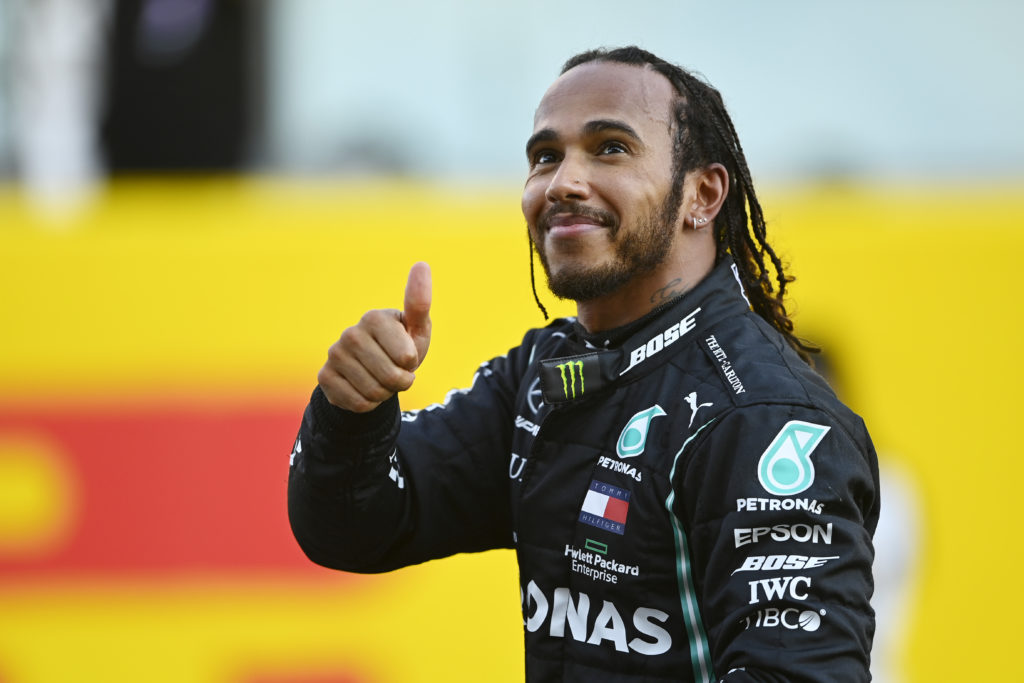
COTA has since become one of several circuits where Lewis Hamilton has dominated across his career, having won five times up until now with Mercedes — even bagging his last win for McLaren there back in its first year hosting this event.
Receive exclusive football transfer news and updates twice a week to your mailbox